Author: admin

  • How to Calculate Overtime in California

    How to Calculate Overtime in California

    The Ultimate Guide to Calculate Overtime in California

    Calculating overtime in California can be complex. The state’s wage and hour laws are strict and detailed.

    Understanding these laws is crucial for both employees and employers. It ensures fair compensation and compliance with regulations.

    California’s overtime rules differ from federal standards. They offer more protection to workers, requiring overtime pay for more situations.

    Overtime pay rates in California include time-and-a-half and double time. These rates depend on the number of hours worked.

    Bonuses and commissions also affect overtime calculations. They must be included in the regular rate of pay. (more…)

  • Combatting Employer Wage Theft: Know Your Rights

    Combatting Employer Wage Theft: Know Your Rights

    Is Your Employer Stealing from You? There will be signs.

    Wage theft is a serious issue affecting many workers. It occurs when employers fail to pay employees what they are owed. This can include unpaid wages, overtime, or illegal deductions.

    Millions of workers experience wage theft each year. It can happen in any industry, from retail to construction. Often, low-wage and immigrant workers are most affected.

    Understanding your rights is crucial. Employees have the right to be paid for all hours worked. This includes overtime and minimum wage protections.

    The Fair Labor Standards Act (FLSA) sets federal standards for wages. However, state laws may offer additional protections. Knowing both is important for safeguarding your earnings.

    Keeping detailed records of your hours and pay is essential. This can help identify any discrepancies. If you suspect wage theft, addressing it promptly is key.

    Start by discussing concerns with your employer or HR. If this doesn’t resolve the issue, filing a complaint with the Department of Labor is an option. Legal action may be necessary if your employer doesn’t comply.

    Retaliation for reporting wage theft is illegal. Employees should feel empowered to stand up for their rights. Understanding the process can help you recover what you’re owed.

    A concerned employee reviewing their pay stub

    What Is Employer Wage Theft?

    Employer wage theft occurs when companies deny workers their rightful earnings. It encompasses various unlawful practices. These practices deprive employees of fair compensation for their labor.

    Common signs of wage theft include not being paid overtime or minimum wage. Other indicators are improper deductions from paychecks. Misclassifying employees to avoid paying benefits is also a form of theft.

    Types of Wage Theft:

    • Unpaid Overtime: Failing to pay for hours beyond the standard work week.
    • Minimum Wage Violations: Paying less than the legal minimum hourly rate.
    • Illegal Deductions: Deducting costs for uniforms or tools without consent.
    • Time Shaving: Reducing recorded hours to avoid paying overtime.
    • Misclassification: Labeling employees as contractors to bypass wage and hour laws.

    Wage theft is more prevalent than many realize. It affects both blue-collar and white-collar workers. Industries like hospitality, retail, and construction are often hotspots for these practices.

    The impact on workers can be devastating. Unpaid wages can lead to financial instability. It can affect one’s ability to meet basic needs.

    Victims of wage theft face challenges in recovering lost earnings. Understanding employer wage theft can empower workers. Knowledge is the first step toward reclaiming your hard-earned money.

    Common Types of Wage Theft

    Wage theft manifests in various forms. Each type can significantly impact an employee’s financial well-being. These practices are not just unethical; they are illegal.

    One prevalent form is unpaid overtime. Employers may demand extra work without proper pay. This violates the Fair Labor Standards Act (FLSA), which mandates overtime compensation.

    Another common issue is minimum wage violations. Employers might pay below the federal or state minimum wage. Workers in low-wage sectors are often most affected.

    Illegal deductions are another concern. Employers may deduct expenses for equipment or uniforms improperly. This reduces take-home pay without consent.

    Examples of Illegal Deductions:

    • Charging for required uniforms.
    • Deducting training costs after resignation.
    • Subtracting breakages or losses from wages.

    Time shaving is also widespread. Companies may alter time records to avoid paying overtime. This denial of compensation for actual hours worked is a clear breach of labor laws.

    Misclassification as independent contractors is another tactic. Employers label employees as contractors to sidestep wage laws. This denies them benefits like health insurance and paid leave.

    Woman looking at pay stub total with a questionable look on her face.

    Ways to Identify Misclassification:

    • Lack of control over work hours.
    • Employer dictates tasks and methods.
    • Employee performs core business functions.

    Other forms include denying meal or rest breaks. This can happen when schedules are tight. Workers may feel forced to skip essential breaks due to pressure.

    Knowing the different types of wage theft is vital. It enables employees to recognize when their rights are being violated. Taking prompt action can help recover lost earnings.

    An employee working late hours without receiving overtime pay

    by Milo Bauman (https://unsplash.com/@mjearlb)

    How to Recognize If You’re a Victim

    Identifying wage theft is the first step to recovery. Many employees may be unsure if they’re victims. Being informed can empower you to take action.

    Start by examining your pay stubs. Ensure your pay reflects all hours worked, including overtime. Discrepancies might indicate wage theft.

    Another sign is consistently being paid late. Regular delays in receiving your wages are a red flag. Employers must pay promptly and on schedule.

    Reflect on your breaks. Are you being forced to work through them? If yes, this could be a violation. You’re entitled to meal and rest periods.

    Consider your job classification. Being improperly labeled as a contractor may be unlawful. Misclassification denies you important rights and benefits.

    Key Indicators of Wage Theft:

    • Unpaid for overtime hours.
    • Paychecks are less than expected.
    • Deductions made without consent.

    Communication is also crucial. If your employer evades wage discussions, take note. Avoidance can signify an unwillingness to comply with laws.

    Trust your instincts. If something feels off, investigate further. Wage theft often relies on employees being unaware of their rights.

    By recognizing these signs, you can protect yourself. Knowledge is your best tool in preventing and identifying wage theft.

    man in suit with suitcase full of money

    Your Legal Rights as an Employee

    Understanding your rights as an employee empowers you to take action. The law protects workers against unfair treatment, including wage theft.

    You have the right to be paid for all hours worked. This includes overtime at the federally mandated rate. Employers must comply with these standards.

    The Fair Labor Standards Act (FLSA) provides the framework for wage laws. It ensures minimum wage and overtime protection for eligible employees.

    State laws often offer additional safeguards. Familiarize yourself with both federal and state regulations. This knowledge is crucial for defending your rights.

    Employees are entitled to know how their pay is calculated. This means transparent access to records of hours worked and wages received.

    Key Employee Rights Include:

    • Receiving minimum wage for all hours worked.
    • Being compensated for overtime.
    • Reviewing employer records of your wages and hours.

    Moreover, you have the right to challenge wage theft without fear of retaliation. Employers cannot legally penalize you for asserting these rights.

    If you suspect a violation, act promptly. There are statutes of limitations for recovering wages. Timely action is critical to securing owed compensation.

    Assert your rights confidently. Doing so can initiate positive changes, both for you and your workplace. Your willingness to stand up is vital.

    Federal and State Laws Protecting Workers

    Worker protection laws exist to ensure fair treatment in the workplace. At the core are federal regulations, primarily the Fair Labor Standards Act (FLSA). This essential law sets the minimum standards for wages and overtime.

    The FLSA applies to most workers. It mandates time-and-a-half pay for any hours worked beyond 40 per week. This prevents employers from exploiting workers through excessive unpaid overtime.

    However, labor laws vary by state. Some states enhance worker protections beyond the FLSA. These include higher minimum wages and stricter overtime rules. Always check your state’s specific requirements to fully understand your entitlements.

    States like California and New York have robust labor laws. They often provide more generous worker benefits than federal mandates. This can include additional break periods and higher pay minimums.

    Protections Provided by Federal and State Laws:

    • Minimum wage standards.
    • Overtime pay requirements.
    • Meal and rest break mandates.

    Department of Labor

    Employees should also be aware of laws regarding pay transparency. Employers must provide clear, understandable pay stubs. These documents detail wages and deductions, ensuring workers understand their pay.

    Knowing these laws helps you identify potential wage theft. Understanding both federal and state regulations is your first line of defense. It empowers you to take informed action against unfair labor practices.

    Steps to Take If You Suspect Wage Theft

    Suspecting wage theft can be daunting. Your first step should be to confirm your suspicions. Review your pay stubs and hours worked meticulously. Compare these with your employment terms.

    Accurate record-keeping is crucial. Maintain a log of worked hours and pay received. Compare these against employer records to identify discrepancies. Note any unpaid overtime or unexpected deductions.

    Once discrepancies are evident, approach your employer. A conversation with your supervisor or HR department may resolve the issue amicably. Approach discussions calmly, presenting facts rather than accusations.

    Steps to Address Suspected Wage Theft:

    • Review Employment Records: Check pay stubs and hours documented.
    • Approach Employer Calmly: Start with a conversation with your supervisor.

    However, if discussions fail, escalate the matter. Consider filing a complaint with the Department of Labor (DOL). This can trigger an investigation into your employer’s wage practices.

    You may also contact your state labor agency. They often handle wage disputes specific to your state’s laws. Many states have dedicated departments for wage theft claims.

    More Actionable Steps:

    • Contact a Labor Agency: Reach out for state-specific guidance.
    • File a DOL Complaint: If unresolved, trigger an official inquiry.

    While pursuing these channels, consult with legal professionals. Seek advice from lawyers who specialize in labor disputes. They can guide your options and provide necessary legal documentation.

    Remember, timely action is critical. Wage claims often come with time limits, so act without delay. Taking swift, informed steps can help you recover lost wages and reinforce your rights in the workplace.

    How to Document Wage Theft

    Proper documentation is vital in wage theft cases. Without a record, proving claims becomes difficult. Start by keeping a detailed log of your work hours. Note dates, start and end times, and any breaks.

    Retain copies of your pay stubs. Pay stubs show what you’re paid and any deductions. Compare these to your recorded hours. Look for any discrepancies between your records and your paycheck.

    Document communication with your employer. Save emails, messages, or notes from conversations about your pay. This can serve as evidence if disputes arise.

    Essential Documentation for Wage Theft:

    • Work Hour Logs: Track daily hours and breaks.
    • Pay Records: Keep pay stubs and payment summaries.
    • Employer Communications: Preserve all relevant interactions.

    If possible, keep a journal describing your experiences. Include descriptions of your duties, any instructions for unpaid work, and other relevant events. This narrative can strengthen your case.

    Photocopy any documents related to your employment. Contracts, employee handbooks, and company policies are essential. They outline terms that may support your claim.

    Monthly Planner

    by 2H Media (https://unsplash.com/@2hmedia

    Being organized is key to building a strong case. A thorough and precise record collection streamlines the complaint process. With solid documentation, you position yourself better to recover owed wages effectively.

    Approaching Your Employer or HR

    Approaching your employer about wage theft can be daunting. But it’s often the first crucial step. Begin by scheduling a meeting with your supervisor or HR representative.

    Prepare for the conversation with detailed evidence. Bring your documentation showing discrepancies between hours worked and wages received. Explain calmly and clearly why you believe you’re owed additional wages.

    Tips for Discussing Wage Issues:

    • Be Professional: Maintain a calm and respectful tone.
    • Present Evidence: Use your documentation to support your claim.
    • Clarify Expectations: Clearly state what you need resolved.

    Ask for their explanation. Sometimes, wage issues stem from misunderstandings or clerical errors. Your employer might not be aware of the mistake and may resolve it quickly.

    After discussing, document the conversation. Note any promises made, proposed actions, and timelines. If possible, obtain written confirmation from them summarizing your discussion.

    Understanding that this is a necessary step helps you move forward. Whether resolved internally or not, you’ll be better equipped for any further action. Proceeding calmly and professionally increases the chances of a positive outcome.

    Filing a Complaint with Government Agencies

    If internal attempts fail, government agencies can help. You have options at both federal and state levels to file complaints. These agencies are equipped to handle and investigate wage theft claims.

    The U.S. Department of Labor (DOL) is a good starting point. They oversee wage and hour complaints through the Wage and Hour Division (WHD). Filing a complaint with them is straightforward.

    Steps to File a Federal Complaint:

    • Gather Evidence: Collect records of hours worked and pay received.
    • Contact WHD: Provide details about your employer and the nature of your complaint.
    • Submit the Complaint: You can often do this online or in person at a local office.

    Many states also have labor departments or dedicated wage theft units. These state bodies often offer protections that complement federal laws. They can be instrumental if federal paths stall or delay.

    Filing at the State Level:

    • Research State Laws: Confirm additional state protections or deadlines.
    • Document State Agencies: Contact the applicable state labor board.
    • Report the Issue: Follow state-specific procedures to file your complaint.

    Timeliness matters. Wage theft claims often have a statute of limitations. Acting quickly ensures you remain eligible for recovery.

    Remember, government agencies aim to protect worker rights. They work to hold employers accountable, pressing for recovery of owed wages. If their investigation confirms wage theft, they will pursue remedies on your behalf. Each report plays a role in broader accountability and reform efforts, enhancing workplace fairness.

    Seeking Legal Help and Representation

    When facing employer wage theft, legal aid can be invaluable. Lawyers understand complex wage and hour laws. They can navigate legal avenues to reclaim unpaid wages.

    Consider contacting an attorney experienced in labor law. They’ll assess your case and advise on possible outcomes. A good lawyer will strategize the best approach to your situation.

    When to Seek Legal Representation:

    • If internal resolutions fail and complaints don’t resolve the issue.
    • When the amount of unpaid wages is substantial.
    • If you suspect you’re not the only victim at your workplace.

    Legal consultations can clarify your rights. Many attorneys offer initial consultations for free or at a reduced cost. This can help you decide if pursuing legal action is worth it.

    Legal representation can offer peace of mind. Your lawyer will handle communications and negotiations with your employer. They can also represent you in court if needed.

    If cost is a concern, explore pro bono services. Many organizations offer free legal aid to those who qualify. Labor unions and worker advocacy groups are also resources to consider. These groups may provide or recommend legal assistance. Exploring all options ensures a comprehensive approach to recovering your due wages.

    Lawyer reviewing wages of client

    What to Expect During the Wage Recovery Process

    The wage recovery process can vary in complexity and duration. It’s important to stay informed and patient throughout.

    Initially, you’ll gather evidence and file a complaint. Whether with a government agency or in court, documentation is key. Having detailed records will support your claim.

    Key Stages of the Process:

    • Filing a Complaint: Submit your documentation and grievance.
    • Investigation: The agency or court reviews your evidence.
    • Resolution: A decision is made; this may involve negotiations or hearings.
    • Enforcement: If successful, your employer is compelled to pay.

    Timeframes can differ based on factors like case complexity and jurisdiction. Stay proactive by following up regularly on your claim’s status.

    Communication with involved parties is crucial during this time. Be prepared for challenges, but remember that persistence is often necessary. Knowing what to expect helps manage stress and ensures you stay organized and focused on achieving a fair outcome.

    Retaliation: What It Is and How to Protect Yourself

    Retaliation occurs when an employer punishes you for asserting your rights. This may include demotion, termination, or harassment. Protection against retaliation is essential when pursuing wage theft claims.

    Knowing the signs of retaliation is critical. Sudden changes in job duties or negative performance reviews could be warning signals. Document these events meticulously.
    It’s vital to understand your rights under the law. The Fair Labor Standards Act (FLSA) prohibits retaliatory actions by employers. Stay informed about these protections to safeguard your interests.

    Steps to Protect Yourself from Retaliation:

    • Document Everything: Keep records of any retaliatory behaviors.
    • Seek Legal Counsel: Professional advice can help guide your actions.
    • Report Retaliation: Notify appropriate agencies or use internal reporting channels.

    Shoe on a spring kicking employee in the back

    Handling retaliation can be stressful, but there are resources available. Consider reaching out to worker advocacy groups for support and advice. Being proactive and knowledgeable empowers you to stand up against employer misconduct and maintain your dignity in the workplace.

    Special Issues: Misclassification and Independent Contractors

    Misclassification is a tricky issue in labor rights. Employers sometimes wrongly label workers as independent contractors. This can lead to wage theft problems.

    When misclassified, workers lose out on key benefits. These include paid overtime and minimum wage protections. Misclassification is not always intentional, but it often results in unfair compensation.

    Knowing the difference between an employee and an independent contractor is vital. Employees generally have set schedules and oversight. Independent contractors usually have more flexibility and autonomy.

    Signs of Misclassification:

    • Control: You lack control over your work hours.
    • Benefits: Your benefits are missing or limited.
    • Duties: Your duties resemble those of employees.

    If you suspect misclassification, take action. Confirm your status through legal channels. Accurate classification ensures rightful compensation and legal protections.

    Wage Theft in Different Industries

    Wage theft occurs across many industries, but some are more affected. Low-wage sectors are particularly vulnerable. Workers in these industries often experience wage violations.

    The hospitality industry sees frequent unpaid overtime and improper tip pooling. Retail workers face similar issues, with employers failing to pay for all hours worked. Construction workers are also affected, often facing underpayment for their labor.

    Certain industries rely heavily on seasonal or part-time work. This can lead to confusion about wage rights. In such roles, employers sometimes exploit legal loopholes to deny fair pay.

    Industries Commonly Affected by Wage Theft:

    • Hospitality: Unpaid overtime and wage violations.
    • Retail: Pay for all hours not always given.
    • Construction: Frequent underpayment issues.
    • Agriculture: Seasonal work often leads to confusion.

    Employees in different industries, construction, chef, blue collar, white collar workers

    Awareness is key to preventing wage theft in these sectors. Employees must understand their rights and be vigilant. Reporting violations helps foster fair workplace practices.

    The Impact of Wage Theft on Workers and Society

    Wage theft causes serious harm to workers, especially financially. Victims often struggle to meet basic needs due to lost income. This financial strain can also lead to increased debt or even homelessness.

    Beyond the individual, wage theft affects society at large. It contributes to economic inequality, as it disproportionately impacts low-wage earners. Communities suffer when workers are not fairly compensated.

    Employers who engage in wage theft also damage the economy. They create an uneven playing field by unfairly reducing labor costs. This can lead to unfair competition among businesses.

    Consequences of Wage Theft:

    • Financial instability for workers.
    • Increased economic inequality in communities.
    • Strain on social services due to workers’ financial needs.
    • Damage to business competition and economic health.

    Addressing wage theft benefits everyone by promoting fair labor practices and a healthier economy.

    Resources and Support for Employees

    Experiencing employer wage theft can feel overwhelming. However, resources and support are available to help employees navigate this challenge. Understanding where to find assistance can empower you.

    Several organizations offer guidance and support for wage theft victims. Government agencies, such as the Department of Labor, enforce wage and hour laws. They provide resources to help recover unpaid wages.

    Nonprofit organizations and worker advocacy groups also offer valuable help. They provide education, legal assistance, and sometimes even direct financial support. Labor unions are another crucial resource, providing solidarity and legal backing.

    Useful Resources for Employees:

    • U.S. Department of Labor
    • State labor departments
    • Worker advocacy groups
    • Labor unions

    These resources aim to ensure all workers receive fair compensation. Reaching out can make a significant difference in reclaiming rightful wages. Employees should utilize these tools for a more just workplace.

    Prevention is key to tackling employer wage theft. Employees can protect themselves by staying informed about their rights and responsibilities.
    Regularly review pay stubs and keep meticulous records of hours worked. Awareness is a powerful tool against wage theft.

    Employers also play a critical role. Conducting regular audits and ensuring compliance with labor laws help maintain a fair workplace. Employers should offer training about wage laws and foster open communication channels.

    Steps to Prevent Wage Theft:

    • Maintain detailed work records
    • Ensure compliance with labor laws
    • Conduct regular wage audits
    • Stay informed about rights

    By working together, employees and employers can foster a culture of trust and fairness. Preventing wage theft benefits everyone involved. A proactive approach can lead to a more just and equitable workplace.

    Frequently Asked Questions About Wage Theft

    Wage theft raises many questions for employees. Here are some common inquiries and clarifications.

    Is wage theft really that common? Sadly, yes. Millions face this issue annually. It’s a widespread problem that crosses industries.

    What can I do if I suspect it? First, talk to your employer. If unresolved, seek assistance from government agencies or legal counsel.

    What if I’m retaliated against? Retaliation for reporting wage theft is illegal. If you face retaliation, additional legal actions may be available to protect you.

    Common Questions:

    Is wage theft legal?

    No, wage theft is not legal. All 50 states have some form of wage theft law.

    How do I report wage theft?

    You can report wage theft by contacting the U.S. Department of Labor (DOL) or Wage and Hour Division (WHD)

    Can my employer retaliate against me?

    Yes, but you can file a claim with the WHD or call 1-866-487-9243

    What documentation should I keep?

    Payroll and wage records, time sheets, paystubs, wage notices, employment contracts. Anything that could prove your claim.
    Understanding these answers can empower workers to take necessary action. Awareness is the first step to ensuring your rights are protected.

    Conclusion: Standing Up for Your Rights

    Standing up for your rights is crucial in the fight against wage theft. Every employee deserves fair compensation for their work.

    It’s not just about getting the money owed; it’s about fairness and respect. Knowing your rights helps maintain dignity in the workplace.

    Taking action can be daunting but remember, support is out there. From labor unions to legal resources, you’re not alone in this fight.

    By speaking up, you not only protect yourself but also help others. Collective awareness and action drive positive changes in workplace cultures.

    Have you been a victim of wage theft in California? Contact California Labor Law for a free consultation from a top attorney and get the justice you deserve. We hold employers accountable for stealing from employees. Call 1-866-355-9991 or fill out our free wage theft form for more information.

  • Combate del robo salarial por parte del empleador: conozca sus derechos

    Combate del robo salarial por parte del empleador: conozca sus derechos

    ¿Le está robando su empleador? Habrá señales.

    El robo salarial es un problema grave que afecta a muchos trabajadores. Se produce cuando los empleadores no pagan a los empleados lo que se les debe. Esto puede incluir salarios no pagados, horas extras o deducciones ilegales.

    Millones de trabajadores sufren robo salarial cada año. Puede ocurrir en cualquier sector, desde el comercio minorista hasta la construcción. A menudo, los trabajadores con salarios bajos e inmigrantes son los más afectados.

    Comprender sus derechos es fundamental. Los empleados tienen derecho a que se les pague por todas las horas trabajadas. Esto incluye las horas extras y las protecciones del salario mínimo.

    La Ley de Normas Justas de Trabajo (FLSA) establece las normas federales para los salarios. Sin embargo, las leyes estatales pueden ofrecer protecciones adicionales. Conocer ambas es importante para salvaguardar sus ingresos.

    Mantener registros detallados de sus horas y su salario es esencial. Esto puede ayudar a identificar cualquier discrepancia. Si sospecha que hay robo salarial, es fundamental abordarlo con prontitud.

    Comience por hablar de sus preocupaciones con su empleador o con el departamento de recursos humanos. Si esto no resuelve el problema, presentar una queja ante el Departamento de Trabajo es una opción. Puede ser necesario emprender acciones legales si su empleador no cumple.

    Las represalias por denunciar el robo salarial son ilegales. Los empleados deben sentirse capacitados para defender sus derechos. Comprender el proceso puede ayudarle a recuperar lo que se le debe.

    Un empleado preocupado revisando su nómina

    ¿Qué es el robo salarial por parte del empleador?

    El robo salarial por parte del empleador se produce cuando las empresas niegan a los trabajadores sus ganancias legítimas. Abarca diversas prácticas ilegales. Estas prácticas privan a los empleados de una compensación justa por su trabajo.

    Los signos comunes de robo salarial incluyen no recibir el pago de las horas extras o el salario mínimo. Otros indicadores son las deducciones indebidas de los cheques de pago. La clasificación errónea de los empleados para evitar el pago de beneficios también es una forma de robo.

    Tipos de robo salarial:

    • Horas extras no pagadas: No pagar las horas que superan la semana laboral estándar.
    • Violaciones del salario mínimo: Pagar menos del salario mínimo legal por hora.
    • Deducciones ilegales: Deducir los costes de los uniformes o las herramientas sin consentimiento.
    • Reducción del tiempo: Reducir las horas registradas para evitar el pago de las horas extras.
    • Clasificación errónea: Etiquetar a los empleados como contratistas para eludir las leyes salariales y horarias.

    El robo salarial es más frecuente de lo que muchos creen. Afecta tanto a los trabajadores manuales como a los administrativos. Sectores como la hostelería, el comercio minorista y la construcción suelen ser puntos críticos para estas prácticas.

    El impacto en los trabajadores puede ser devastador. Los salarios no pagados pueden conducir a la inestabilidad financiera. Puede afectar a la capacidad de satisfacer las necesidades básicas.

    Las víctimas del robo salarial se enfrentan a dificultades para recuperar los salarios perdidos. Comprender el robo salarial por parte del empleador puede empoderar a los trabajadores. El conocimiento es el primer paso para reclamar el dinero que tanto le ha costado ganar.

    Tipos comunes de robo salarial

    El robo salarial se manifiesta de varias formas. Cada tipo puede afectar significativamente al bienestar financiero de un empleado. Estas prácticas no son solo poco éticas, sino que son ilegales.

    Una forma frecuente es el impago de las horas extras. Los empleadores pueden exigir trabajo adicional sin la debida remuneración. Esto viola la Ley de Normas Justas de Trabajo (FLSA), que exige la compensación de las horas extras.

    Otro problema común son las violaciones del salario mínimo. Los empleadores pueden pagar por debajo del salario mínimo federal o estatal. Los trabajadores de los sectores con salarios bajos son a menudo los más afectados.

    Las deducciones ilegales son otra preocupación. Los empleadores pueden deducir indebidamente los gastos de equipo o uniformes. Esto reduce el salario neto sin consentimiento.

    Ejemplos de deducciones ilegales:

    • Cobrar por los uniformes obligatorios.
    • Deducir los costes de formación después de la dimisión.
    • Restar las roturas o pérdidas de los salarios.

    La reducción del tiempo también está muy extendida. Las empresas pueden alterar los registros de tiempo para evitar el pago de las horas extras. Esta denegación de compensación por las horas reales trabajadas es una clara violación de las leyes laborales.

    La clasificación errónea como contratistas independientes es otra táctica. Los empleadores etiquetan a los empleados como contratistas para eludir las leyes salariales. Esto les niega beneficios como el seguro médico y las vacaciones pagadas.

    Mujer mirando el total de la nómina con una mirada cuestionable en su rostro.

    Formas de identificar la clasificación errónea:

    • Falta de control sobre las horas de trabajo.
    • El empleador dicta las tareas y los métodos.
    • El empleado realiza las funciones principales de la empresa.

    Otras formas incluyen la denegación de las pausas para comer o descansar. Esto puede ocurrir cuando los horarios son ajustados. Los trabajadores pueden sentirse obligados a saltarse las pausas esenciales debido a la presión.

    Conocer los diferentes tipos de robo salarial es vital. Permite a los empleados reconocer cuándo se están violando sus derechos. Tomar medidas rápidas puede ayudar a recuperar los salarios perdidos.

    Un empleado trabajando hasta tarde sin recibir el pago de las horas extras

    por Milo Bauman (https://unsplash.com/@mjearlb)

    Cómo reconocer si es usted una víctima

    Identificar el robo salarial es el primer paso para la recuperación. Muchos empleados pueden no estar seguros de si son víctimas. Estar informado puede capacitarle para tomar medidas.

    Comience por examinar sus nóminas. Asegúrese de que su salario refleja todas las horas trabajadas, incluidas las horas extras. Las discrepancias podrían indicar un robo salarial.

    Otra señal es que se le pague sistemáticamente con retraso. Los retrasos regulares en la recepción de su salario son una señal de alerta. Los empleadores deben pagar con prontitud y según el calendario previsto.

    Reflexione sobre sus descansos. ¿Se le está obligando a trabajar durante ellos? Si es así, esto podría ser una violación. Tiene derecho a períodos de comida y descanso.

    Considere su clasificación laboral. Ser etiquetado incorrectamente como contratista puede ser ilegal. La clasificación errónea le niega importantes derechos y beneficios.

    Indicadores clave del robo salarial:

    • No se pagan las horas extras.
    • Los cheques de pago son inferiores a lo esperado.
    • Deducciones realizadas sin consentimiento.

    La comunicación también es crucial. Si su empleador evade las discusiones sobre salarios, tome nota. La evasión puede significar una falta de voluntad para cumplir con las leyes.

    Confíe en sus instintos. Si algo no le parece bien, investigue más a fondo. El robo salarial a menudo se basa en que los empleados no conozcan sus derechos.

    Al reconocer estas señales, puede protegerse. El conocimiento es su mejor herramienta para prevenir e identificar el robo salarial.

    Hombre en traje con una maleta llena de dinero

    Sus derechos legales como empleado

    Comprender sus derechos como empleado le permite tomar medidas. La ley protege a los trabajadores contra el trato injusto, incluido el robo salarial.

    Tiene derecho a que se le pague por todas las horas trabajadas. Esto incluye las horas extras a la tarifa federalmente obligatoria. Los empleadores deben cumplir con estas normas.

    La Ley de Normas Justas de Trabajo (FLSA) proporciona el marco para las leyes salariales. Garantiza el salario mínimo y la protección de las horas extras para los empleados elegibles.

    Las leyes estatales a menudo ofrecen salvaguardias adicionales. Familiarícese con las regulaciones federales y estatales. Este conocimiento es crucial para defender sus derechos.

    Los empleados tienen derecho a saber cómo se calcula su salario. Esto significa un acceso transparente a los registros de las horas trabajadas y los salarios recibidos.

    Los derechos clave de los empleados incluyen:

    • Recibir el salario mínimo por todas las horas trabajadas.
    • Ser compensado por las horas extras.
    • Revisar los registros del empleador de sus salarios y horas.

    Además, tiene derecho a impugnar el robo salarial sin temor a represalias. Los empleadores no pueden penalizarle legalmente por hacer valer estos derechos.

    Si sospecha una violación, actúe con prontitud. Existen plazos de prescripción para recuperar los salarios. La acción oportuna es fundamental para asegurar la compensación adeudada.

    Haga valer sus derechos con confianza. Hacerlo puede iniciar cambios positivos, tanto para usted como para su lugar de trabajo. Su voluntad de defenderse es vital.

    Leyes federales y estatales que protegen a los trabajadores

    Existen leyes de protección de los trabajadores para garantizar un trato justo en el lugar de trabajo. En el centro se encuentran las regulaciones federales, principalmente la Ley de Normas Justas de Trabajo (FLSA). Esta ley esencial establece los estándares mínimos para los salarios y las horas extras.

    La FLSA se aplica a la mayoría de los trabajadores. Exige el pago de tiempo y medio por cualquier hora trabajada más allá de 40 por semana. Esto evita que los empleadores exploten a los trabajadores a través de horas extras excesivas no pagadas.

    Sin embargo, las leyes laborales varían según el estado. Algunos estados mejoran las protecciones de los trabajadores más allá de la FLSA. Estos incluyen salarios mínimos más altos y reglas de horas extras más estrictas. Siempre verifique los requisitos específicos de su estado para comprender completamente sus derechos.

    Estados como California y Nueva York tienen leyes laborales sólidas. A menudo brindan beneficios para los trabajadores más generosos que los mandatos federales. Esto puede incluir períodos de descanso adicionales y mínimos de pago más altos.

    Protecciones proporcionadas por las leyes federales y estatales:

    • Estándares de salario mínimo.
    • Requisitos de pago de horas extras.
    • Mandatos de pausas para comer y descansar.
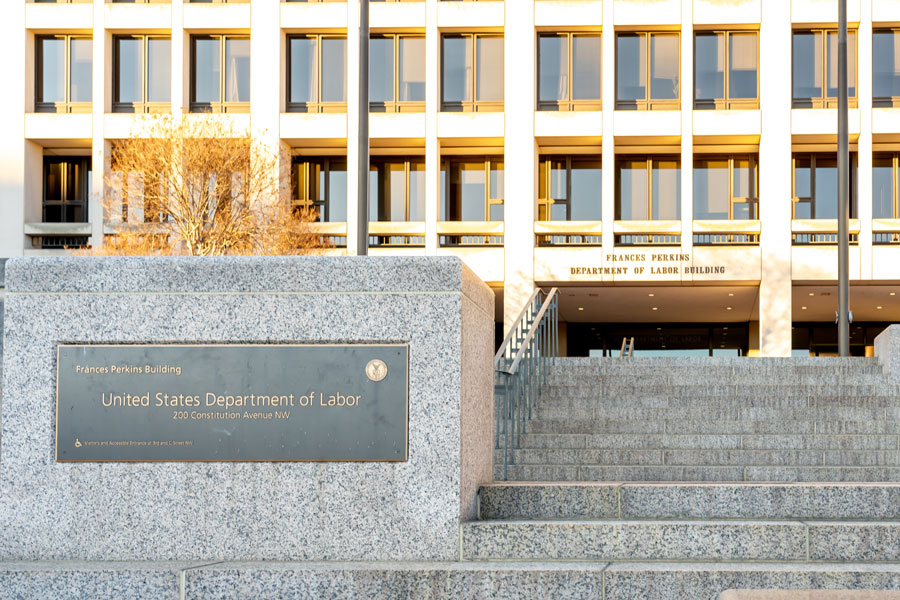
    Departamento de Trabajo

    Los empleados también deben conocer las leyes sobre transparencia salarial. Los empleadores deben proporcionar talones de pago claros y comprensibles. Estos documentos detallan los salarios y las deducciones, lo que garantiza que los trabajadores comprendan su salario.

    Conocer estas leyes le ayuda a identificar posibles robos salariales. Comprender las regulaciones federales y estatales es su primera línea de defensa. Le permite tomar medidas informadas contra las prácticas laborales injustas.

    Pasos a seguir si sospecha un robo salarial

    Sospechar un robo salarial puede ser desalentador. Su primer paso debe ser confirmar sus sospechas. Revise meticulosamente sus talones de pago y las horas trabajadas. Compare estos con sus términos de empleo.

    El mantenimiento de registros precisos es crucial. Mantenga un registro de las horas trabajadas y el pago recibido. Compare estos con los registros del empleador para identificar discrepancias. Tenga en cuenta cualquier hora extra no pagada o deducciones inesperadas.

    Una vez que las discrepancias sean evidentes, acérquese a su empleador. Una conversación con su supervisor o departamento de recursos humanos puede resolver el problema amigablemente. Aborde las discusiones con calma, presentando hechos en lugar de acusaciones.

    Pasos para abordar la sospecha de robo salarial:

    • Revisar los registros de empleo: Verifique los talones de pago y las horas documentadas.
    • Acercarse al empleador con calma: Comience con una conversación con su supervisor.

    Sin embargo, si las discusiones fallan, escale el asunto. Considere presentar una queja ante el Departamento de Trabajo (DOL). Esto puede desencadenar una investigación sobre las prácticas salariales de su empleador.

    También puede comunicarse con la agencia laboral de su estado. A menudo manejan disputas salariales específicas de las leyes de su estado. Muchos estados tienen departamentos dedicados a las reclamaciones por robo salarial.

    Pasos más prácticos:

    • Póngase en contacto con una agencia laboral: Póngase en contacto para obtener orientación específica del estado.
    • Presente una queja ante el DOL: Si no se resuelve, inicie una investigación oficial.

    Mientras sigue estos canales, consulte con profesionales legales. Busque el consejo de abogados que se especialicen en disputas laborales. Pueden guiar sus opciones y proporcionar la documentación legal necesaria.

    Recuerde, la acción oportuna es fundamental. Las reclamaciones salariales a menudo vienen con límites de tiempo, así que actúe sin demora. Tomar medidas rápidas e informadas puede ayudarle a recuperar los salarios perdidos y reforzar sus derechos en el lugar de trabajo.

    Cómo documentar el robo salarial

    La documentación adecuada es vital en los casos de robo salarial. Sin un registro, probar las reclamaciones se vuelve difícil. Comience por mantener un registro detallado de sus horas de trabajo. Anote las fechas, las horas de inicio y fin, y cualquier descanso.

    Conserve copias de sus talones de pago. Los talones de pago muestran lo que se le paga y cualquier deducción. Compare estos con sus horas registradas. Busque cualquier discrepancia entre sus registros y su cheque de pago.

    Documente la comunicación con su empleador. Guarde los correos electrónicos, los mensajes o las notas de las conversaciones sobre su salario. Esto puede servir como evidencia si surgen disputas.

    Documentación esencial para el robo salarial:

    • Registros de horas de trabajo: Registre las horas diarias y los descansos.
    • Registros de pago: Mantenga los talones de pago y los resúmenes de pago.
    • Comunicaciones del empleador: Conserve todas las interacciones relevantes.

    Si es posible, mantenga un diario que describa sus experiencias. Incluya descripciones de sus deberes, cualquier instrucción para el trabajo no remunerado y otros eventos relevantes. Esta narración puede fortalecer su caso.

    Fotocopie cualquier documento relacionado con su empleo. Los contratos, los manuales de los empleados y las políticas de la empresa son esenciales. Describen los términos que pueden respaldar su reclamación.

    Planificador mensual

    por 2H Media (https://unsplash.com/@2hmedia

    Estar organizado es clave para construir un caso sólido. Una recopilación de registros exhaustiva y precisa agiliza el proceso de reclamación. Con una documentación sólida, se posiciona mejor para recuperar los salarios adeudados de manera efectiva.

    Acercarse a su empleador o al departamento de recursos humanos

    Acercarse a su empleador sobre el robo salarial puede ser desalentador. Pero a menudo es el primer paso crucial. Comience por programar una reunión con su supervisor o representante de recursos humanos.

    Prepárese para la conversación con evidencia detallada. Traiga su documentación que muestre las discrepancias entre las horas trabajadas y los salarios recibidos. Explique con calma y claridad por qué cree que se le deben salarios adicionales.

    Consejos para discutir problemas salariales:

    • Sea profesional: Mantenga un tono tranquilo y respetuoso.
    • Presente evidencia: Utilice su documentación para respaldar su reclamación.
    • Aclare las expectativas: Indique claramente lo que necesita que se resuelva.

    Pida su explicación. A veces, los problemas salariales provienen de malentendidos o errores administrativos. Es posible que su empleador no esté al tanto del error y pueda resolverlo rápidamente.

    Después de discutir, documente la conversación. Anote cualquier promesa hecha, acciones propuestas y plazos. Si es posible, obtenga una confirmación escrita de ellos que resuma su discusión.

    Comprender que este es un paso necesario le ayuda a avanzar. Ya sea que se resuelva internamente o no, estará mejor equipado para cualquier acción adicional. Proceder con calma y profesionalidad aumenta las posibilidades de un resultado positivo.

    Presentar una queja ante las agencias gubernamentales

    Si los intentos internos fallan, las agencias gubernamentales pueden ayudar. Tiene opciones tanto a nivel federal como estatal para presentar quejas. Estas agencias están equipadas para manejar e investigar las reclamaciones por robo salarial.

    El Departamento de Trabajo de los Estados Unidos (DOL) es un buen punto de partida. Supervisan las quejas sobre salarios y horas a través de la División de Salarios y Horas (WHD). Presentar una queja ante ellos es sencillo.

    Pasos para presentar una queja federal:

    • Reúna evidencia: Recopile registros de las horas trabajadas y el pago recibido.
    • Póngase en contacto con WHD: Proporcione detalles sobre su empleador y la naturaleza de su queja.
    • Presente la queja: A menudo puede hacerlo en línea o en persona en una oficina local.

    Muchos estados también tienen departamentos de trabajo o unidades dedicadas al robo salarial. Estos organismos estatales a menudo ofrecen protecciones que complementan las leyes federales. Pueden ser fundamentales si los caminos federales se estancan o se retrasan.

    Presentar a nivel estatal:

    • Investigue las leyes estatales: Confirme las protecciones o plazos estatales adicionales.
    • Documente las agencias estatales: Póngase en contacto con la junta laboral estatal aplicable.
    • Informe del problema: Siga los procedimientos específicos del estado para presentar su queja.

    La puntualidad importa. Las reclamaciones por robo salarial a menudo tienen un plazo de prescripción. Actuar rápidamente asegura que siga siendo elegible para la recuperación.

    Recuerde, las agencias gubernamentales tienen como objetivo proteger los derechos de los trabajadores. Trabajan para responsabilizar a los empleadores, presionando para la recuperación de los salarios adeudados. Si su investigación confirma el robo salarial, buscarán soluciones en su nombre. Cada informe juega un papel en los esfuerzos más amplios de rendición de cuentas y reforma, mejorando la equidad en el lugar de trabajo.

    Buscar ayuda legal y representación

    Cuando se enfrenta al robo salarial por parte del empleador, la ayuda legal puede ser invaluable. Los abogados entienden las complejas leyes salariales y horarias. Pueden navegar por las vías legales para reclamar los salarios no pagados.

    Considere ponerse en contacto con un abogado con experiencia en derecho laboral. Evaluarán su caso y le asesorarán sobre los posibles resultados. Un buen abogado elaborará una estrategia para el mejor enfoque para su situación.

    Cuándo buscar representación legal:

    • Si las resoluciones internas fallan y las quejas no resuelven el problema.
    • Cuando la cantidad de salarios impagados es considerable.
    • Si sospecha que no es la única víctima en su lugar de trabajo.

    Las consultas legales pueden aclarar sus derechos. Muchos abogados ofrecen consultas iniciales gratuitas o a un costo reducido. Esto puede ayudarle a decidir si vale la pena emprender acciones legales.

    La representación legal puede ofrecerle tranquilidad. Su abogado se encargará de las comunicaciones y negociaciones con su empleador. También puede representarle ante los tribunales si es necesario.

    Si el costo es una preocupación, explore los servicios pro bono. Muchas organizaciones ofrecen asistencia legal gratuita a quienes cumplen los requisitos. Los sindicatos y los grupos de defensa de los trabajadores también son recursos a tener en cuenta. Estos grupos pueden proporcionar o recomendar asistencia legal. Explorar todas las opciones garantiza un enfoque integral para recuperar los salarios que se le deben.

    Abogado revisando los salarios del cliente

    Qué esperar durante el proceso de recuperación salarial

    El proceso de recuperación salarial puede variar en complejidad y duración. Es importante mantenerse informado y paciente durante todo el proceso.

    Inicialmente, reunirá pruebas y presentará una denuncia. Ya sea ante una agencia gubernamental o en los tribunales, la documentación es clave. Tener registros detallados respaldará su reclamación.

    Etapas clave del proceso:

    • Presentación de una denuncia: Presente su documentación y queja.
    • Investigación: La agencia o el tribunal revisan sus pruebas.
    • Resolución: Se toma una decisión; esto puede implicar negociaciones o audiencias.
    • Cumplimiento: Si tiene éxito, se obliga a su empleador a pagar.

    Los plazos pueden diferir en función de factores como la complejidad del caso y la jurisdicción. Manténgase proactivo haciendo un seguimiento regular del estado de su reclamación.

    La comunicación con las partes implicadas es crucial durante este tiempo. Esté preparado para los desafíos, pero recuerde que la persistencia suele ser necesaria. Saber qué esperar ayuda a controlar el estrés y garantiza que se mantenga organizado y centrado en lograr un resultado justo.

    Represalias: Qué son y cómo protegerse

    Las represalias se producen cuando un empleador le castiga por hacer valer sus derechos. Esto puede incluir la degradación, el despido o el acoso. La protección contra las represalias es esencial cuando se presentan reclamaciones por robo de salarios.

    Conocer los signos de represalias es fundamental. Los cambios repentinos en las funciones laborales o las evaluaciones negativas del rendimiento podrían ser señales de advertencia. Documente estos eventos meticulosamente.
    Es vital comprender sus derechos según la ley. La Ley de Normas Justas de Trabajo (FLSA) prohíbe las acciones de represalia por parte de los empleadores. Manténgase informado sobre estas protecciones para salvaguardar sus intereses.

    Pasos para protegerse de las represalias:

    • Documente todo: Mantenga registros de cualquier comportamiento de represalia.
    • Busque asesoramiento legal: El asesoramiento profesional puede ayudarle a guiar sus acciones.
    • Denuncie las represalias: Notifique a las agencias apropiadas o utilice los canales de denuncia internos.

    Zapato en un resorte pateando al empleado en la espalda

    Manejar las represalias puede ser estresante, pero hay recursos disponibles. Considere la posibilidad de ponerse en contacto con grupos de defensa de los trabajadores para obtener apoyo y asesoramiento. Ser proactivo y estar informado le permite hacer frente a la mala conducta del empleador y mantener su dignidad en el lugar de trabajo.

    Cuestiones especiales: Clasificación errónea y contratistas independientes

    La clasificación errónea es un tema delicado en los derechos laborales. A veces, los empleadores etiquetan erróneamente a los trabajadores como contratistas independientes. Esto puede dar lugar a problemas de robo de salarios.

    Cuando se clasifican erróneamente, los trabajadores pierden beneficios clave. Estos incluyen el pago de horas extras y las protecciones del salario mínimo. La clasificación errónea no siempre es intencional, pero a menudo resulta en una compensación injusta.

    Conocer la diferencia entre un empleado y un contratista independiente es vital. Los empleados generalmente tienen horarios y supervisión establecidos. Los contratistas independientes suelen tener más flexibilidad y autonomía.

    Signos de clasificación errónea:

    • Control: Carece de control sobre sus horas de trabajo.
    • Beneficios: Sus beneficios faltan o son limitados.
    • Deberes: Sus deberes se asemejan a los de los empleados.

    Si sospecha de una clasificación errónea, tome medidas. Confirme su estado a través de los canales legales. La clasificación precisa garantiza una compensación legítima y protecciones legales.

    El robo de salarios en diferentes industrias

    El robo de salarios ocurre en muchas industrias, pero algunas son más afectadas. Los sectores de bajos salarios son particularmente vulnerables. Los trabajadores en estas industrias a menudo experimentan violaciones salariales.

    La industria de la hospitalidad ve frecuentes horas extras no pagadas y la agrupación inadecuada de propinas. Los trabajadores minoristas enfrentan problemas similares, con empleadores que no pagan por todas las horas trabajadas. Los trabajadores de la construcción también se ven afectados, a menudo enfrentando un pago insuficiente por su trabajo.

    Ciertas industrias dependen en gran medida del trabajo estacional o a tiempo parcial. Esto puede llevar a la confusión sobre los derechos salariales. En tales roles, los empleadores a veces explotan las lagunas legales para negar un pago justo.

    Industrias comúnmente afectadas por el robo de salarios:

    • Hospitalidad: Horas extras no pagadas y violaciones salariales.
    • Venta al por menor: El pago por todas las horas no siempre se da.
    • Construcción: Problemas frecuentes de pago insuficiente.
    • Agricultura: El trabajo estacional a menudo conduce a la confusión.

    Empleados en diferentes industrias, construcción, chef, trabajadores de cuello azul, trabajadores de cuello blanco

    La conciencia es clave para prevenir el robo de salarios en estos sectores. Los empleados deben comprender sus derechos y estar atentos. Denunciar las violaciones ayuda a fomentar prácticas laborales justas.

    El impacto del robo de salarios en los trabajadores y la sociedad

    El robo de salarios causa graves daños a los trabajadores, especialmente financieramente. Las víctimas a menudo luchan por satisfacer las necesidades básicas debido a la pérdida de ingresos. Esta tensión financiera también puede conducir a un aumento de la deuda o incluso a la falta de vivienda.

    Más allá del individuo, el robo de salarios afecta a la sociedad en general. Contribuye a la desigualdad económica, ya que afecta desproporcionadamente a las personas con bajos salarios. Las comunidades sufren cuando los trabajadores no son compensados justamente.

    Los empleadores que participan en el robo de salarios también dañan la economía. Crean un campo de juego desigual al reducir injustamente los costos laborales. Esto puede conducir a una competencia desleal entre las empresas.

    Consecuencias del robo de salarios:

    • Inestabilidad financiera para los trabajadores.
    • Aumento de la desigualdad económica en las comunidades.
    • Presión sobre los servicios sociales debido a las necesidades financieras de los trabajadores.
    • Daño a la competencia empresarial y la salud económica.

    Abordar el robo de salarios beneficia a todos al promover prácticas laborales justas y una economía más saludable.

    Recursos y apoyo para los empleados

    Experimentar el robo de salarios por parte del empleador puede ser abrumador. Sin embargo, hay recursos y apoyo disponibles para ayudar a los empleados a superar este desafío. Comprender dónde encontrar asistencia puede empoderarlo.

    Varias organizaciones ofrecen orientación y apoyo a las víctimas de robo de salarios. Las agencias gubernamentales, como el Departamento de Trabajo, hacen cumplir las leyes de salarios y horas. Proporcionan recursos para ayudar a recuperar los salarios no pagados.

    Las organizaciones sin fines de lucro y los grupos de defensa de los trabajadores también ofrecen una valiosa ayuda. Proporcionan educación, asistencia legal y, a veces, incluso apoyo financiero directo. Los sindicatos son otro recurso crucial, que proporciona solidaridad y respaldo legal.

    Recursos útiles para los empleados:

    • Departamento de Trabajo de los Estados Unidos
    • Departamentos de trabajo estatales
    • Grupos de defensa de los trabajadores
    • Sindicatos

    Estos recursos tienen como objetivo garantizar que todos los trabajadores reciban una compensación justa. Ponerse en contacto puede marcar una diferencia significativa en la recuperación de los salarios legítimos. Los empleados deben utilizar estas herramientas para un lugar de trabajo más justo.

    La prevención es clave para abordar el robo de salarios por parte del empleador. Los empleados pueden protegerse manteniéndose informados sobre sus derechos y responsabilidades.
    Revise regularmente los talones de pago y mantenga registros meticulosos de las horas trabajadas. La conciencia es una herramienta poderosa contra el robo de salarios.

    Los empleadores también juegan un papel fundamental. La realización de auditorías periódicas y el cumplimiento de las leyes laborales ayudan a mantener un lugar de trabajo justo. Los empleadores deben ofrecer capacitación sobre las leyes salariales y fomentar canales de comunicación abiertos.

    Pasos para prevenir el robo de salarios:

    • Mantenga registros de trabajo detallados
    • Asegúrese del cumplimiento de las leyes laborales
    • Realice auditorías salariales periódicas
    • Manténgase informado sobre los derechos

    Al trabajar juntos, los empleados y los empleadores pueden fomentar una cultura de confianza y equidad. Prevenir el robo de salarios beneficia a todos los involucrados. Un enfoque proactivo puede conducir a un lugar de trabajo más justo y equitativo.

    Preguntas frecuentes sobre el robo de salarios

    El robo de salarios plantea muchas preguntas para los empleados. Aquí hay algunas preguntas y aclaraciones comunes.

    ¿Es el robo de salarios realmente tan común? Lamentablemente, sí. Millones enfrentan este problema anualmente. Es un problema generalizado que cruza industrias.

    ¿Qué puedo hacer si lo sospecho? Primero, hable con su empleador. Si no se resuelve, busque asistencia de agencias gubernamentales o asesoramiento legal.

    ¿Qué pasa si tomo represalias? Las represalias por denunciar el robo de salarios son ilegales. Si enfrenta represalias, es posible que haya acciones legales adicionales disponibles para protegerlo.

    Preguntas comunes:

    • ¿Es legal el robo de salarios? No, el robo de salarios no es legal. Los 50 estados tienen alguna forma de ley de robo de salarios.
    • ¿Cómo denuncio el robo de salarios? Puede denunciar el robo de salarios poniéndose en contacto con el Departamento de Trabajo de los Estados Unidos (DOL) o la División de Salarios y Horas (WHD)
    • ¿Puede mi empleador tomar represalias contra mí? Sí, pero puede presentar una reclamación ante la WHD o llamar al 1-866-487-9243
    • ¿Qué documentación debo conservar? Registros de nómina y salarios, hojas de tiempo, talones de pago, avisos de salario, contratos de trabajo. Cualquier cosa que pueda probar su reclamación.

    Comprender estas respuestas puede empoderar a los trabajadores para que tomen las medidas necesarias. La conciencia es el primer paso para garantizar que sus derechos estén protegidos.

    Conclusión: Defendiendo sus derechos

    Defender sus derechos es crucial en la lucha contra el robo de salarios. Todo empleado merece una compensación justa por su trabajo.

    No se trata solo de obtener el dinero adeudado; se trata de equidad y respeto. Conocer sus derechos ayuda a mantener la dignidad en el lugar de trabajo.

    Emprender acciones puede resultar abrumador, pero recuerde que hay apoyo disponible. Desde los sindicatos hasta los recursos legales, no está solo en esta lucha.

    Al hablar, no solo se protege a sí mismo, sino que también ayuda a los demás. La conciencia y la acción colectivas impulsan cambios positivos en las culturas del lugar de trabajo.

    ¿Ha sido víctima de robo de salarios en California? Póngase en contacto con California Labor Law para una consulta gratuita con un abogado de primer nivel y obtenga la justicia que se merece. Exigimos responsabilidades a los empleadores por robar a los empleados. Llame al 1-866-355-9991 o rellene nuestro formulario gratuito sobre robo de salarios para obtener más información.


  • Guía sobre el despido improcedente: Conozca sus derechos

    Guía sobre el despido improcedente: Conozca sus derechos

    Una guía completa sobre el despido improcedente y lo que puede hacer al respecto

    El despido improcedente puede ser una experiencia confusa y estresante. Entender sus derechos es crucial en tales situaciones.

    Muchos empleados desconocen las protecciones legales a su disposición. Esta falta de conocimiento puede llevar a la pérdida de oportunidades de obtener justicia.

    El despido improcedente se produce cuando un empleado es despedido por razones ilegales. Estas razones pueden incluir discriminación o represalias.

    (more…)

  • Wrongful Termination Guide: Know Your Rights

    Wrongful Termination Guide: Know Your Rights

    A Complete Guide to Wrongful Termination and What You Can Do About It

    Wrongful termination can be a confusing and stressful experience. Understanding your rights is crucial in such situations.

    Many employees are unaware of the legal protections available to them. This lack of knowledge can lead to missed opportunities for justice.

    Wrongful termination occurs when an employee is fired for illegal reasons. These reasons can include discrimination or retaliation.

    (more…)

  • Understanding California Wait Time Penalty

    Understanding California Wait Time Penalty

    What is California’s Wait Time Penalty?

    California’s wait time penalty is a crucial aspect of employment law. It ensures employees receive their final paycheck promptly. This penalty applies when employers delay payment beyond the legal timeframe.

    Understanding this penalty is vital for both employers and employees. It helps prevent disputes and ensures compliance with California labor laws. Employers must be aware of their obligations to avoid financial penalties.

    Employees should know their rights to timely payment. This knowledge can prevent financial hardship and ensure fair treatment. The wait time penalty reflects

    California’s commitment to protecting workers’ rights.

    In this guide, we will explore the details of the California wait time penalty. We’ll cover its calculation, implications, and how to file a claim.

    (more…)

  • Comprensión de la sanción por tiempo de espera de California

    Comprensión de la sanción por tiempo de espera de California

    ¿Qué es la sanción por tiempo de espera de California?

    La sanción por tiempo de espera de California es un aspecto crucial de la legislación laboral. Garantiza que los empleados reciban su cheque de pago final con prontitud. Esta sanción se aplica cuando los empleadores retrasan el pago más allá del plazo legal.

    Comprender esta sanción es vital tanto para los empleadores como para los empleados. Ayuda a prevenir disputas y garantiza el cumplimiento de las leyes laborales de California. Los empleadores deben ser conscientes de sus obligaciones para evitar sanciones económicas.

    Los empleados deben conocer sus derechos al pago puntual. Este conocimiento puede evitar dificultades económicas y garantizar un trato justo. La sanción por tiempo de espera refleja

    el compromiso de California de proteger los derechos de los trabajadores.

    En esta guía, exploraremos los detalles de la sanción por tiempo de espera de California. Cubriremos su cálculo, implicaciones y cómo presentar una reclamación.

    (more…)

  • Normas sobre horas extras de California: Una guía para trabajadores

    Normas sobre horas extras de California: Una guía para trabajadores

    Leyes de pago de horas extras en California para 2025

    Las normas sobre horas extras de California se encuentran entre las más favorables para los trabajadores en Estados Unidos. Ofrecen protecciones que van más allá de los estándares federales. Comprender estas normas es crucial tanto para los empleados como para los empleadores.

    El pago de horas extras en California no se trata solo de trabajar más de 40 horas a la semana. También incluye trabajar más de 8 horas en un solo día. Esto garantiza una compensación justa por las horas de trabajo prolongadas. (more…)

  • California Overtime Rules: A Workers Guide

    California Overtime Rules: A Workers Guide

    Overtime Pay Laws in California for 2025

    California’s overtime rules are among the most worker-friendly in the United States. They offer protections that go beyond federal standards. Understanding these rules is crucial for both employees and employers.

    Overtime pay in California is not just about working more than 40 hours a week. It also includes working more than 8 hours in a single day. This ensures fair compensation for extended work hours. (more…)

  • Victim-of-Violence Leave in California

    Victim-of-Violence Leave in California

    TL;DR — What You Need to Know : California’s Assembly Bill 2499 (effective January 1, 2025) gives employees who are victims of qualifying violence up to 12 weeks of protected, job-guaranteed leave. Family members of victims can take up to 10 days. Your employer cannot fire, demote, or retaliate against you — and enforcement now falls under the powerful FEHA framework. One in 10 crime victims nationwide has already lost a job for needing time off (California Civil Rights Department, 2025). California law is here to make sure that doesn’t happen to you.

    What Is Victim-of-Violence Leave Under California’s Updated 2025 Law?

    As of January 1, 2025, Assembly Bill 2499 replaced California’s older Labor Code sections 230 and 230.1 with significantly stronger protections under the Fair Employment and Housing Act (FEHA). The law introduces the term “qualifying act of violence” (QAV) — an expanded definition covering domestic violence, sexual assault, stalking, and any act involving bodily injury, a dangerous weapon, or a credible threat of physical force (Fisher Phillips, 2024).

    Enforcement authority moved from the Division of Labor Standards Enforcement (DLSE) to the California Civil Rights Department (CRD) — the same agency that enforces discrimination and harassment law. That shift matters: victims now have access to the same complaint process, civil litigation rights, and remedies available under FEHA.

    Key protections under AB 2499 include:

    • Job-protected leave for employees who are victims of a qualifying act of violence
    • Leave rights for employees whose family member is a victim
    • The right to reasonable workplace accommodations for your safety
    • Freedom from retaliation, demotion, suspension, or termination
    • A mandatory employer notice requirement (effective July 1, 2025)
    Woman looking away in distress, representing California employees seeking job-protected leave under AB 2499
    AB 2499 protects both victims of violence and family members of victims in California workplaces.

    Who Qualifies for Victim-of-Violence Leave in California?

    Nearly 1 in 3 women in California will experience sexual violence in their lifetime — and many of those survivors are working people who need time to address their situation without risking their livelihood (California Civil Rights Department, 2025). AB 2499 extended eligibility beyond the victim themselves to include their family members — a landmark expansion of prior law.

    You qualify for victim-of-violence leave protections if:

    • You are a direct victim of a qualifying act of violence (domestic violence, sexual assault, stalking, bodily injury, a dangerous-weapon incident, or a credible threat of force)
    • You have a family member who is a victim — including a child, parent, grandparent, grandchild, sibling, spouse, domestic partner, or a self-designated person (someone whose relationship to you is equivalent to family)
    • You work for any employer in California (anti-retaliation protections apply to all employer sizes; expanded leave rights apply to employers with 25+ employees)

    Critically, eligibility does not depend on whether anyone was arrested, prosecuted, or convicted for the act of violence. The law protects you regardless.

    What Are the Permitted Reasons for Taking Leave?

    A 2025 report by the National Domestic Violence Hotline found that 79% of survivors said domestic violence made it harder to work — yet 53% never told their employer, fearing discrimination or job loss (National Domestic Violence Hotline / Futures Without Violence, 2025). AB 2499 expanded the list of protected reasons to take leave well beyond what the old law allowed — giving survivors more flexibility to address their circumstances safely.

    You may take protected time off for any of the following:

    • Obtaining or attempting to obtain a restraining order or other injunctive relief
    • Seeking or receiving medical attention for injuries
    • Obtaining services from a domestic violence shelter or victim services organization
    • Seeking psychological counseling or mental health services
    • Participating in safety planning
    • Relocating or securing new housing (including enrolling children in a new school)
    • Providing care to a family member recovering from injuries
    • Seeking or obtaining civil or criminal legal services
    • Preparing for, attending, or participating in civil, administrative, or criminal legal proceedings
    • Seeking or providing childcare or care for a dependent adult if necessary for their safety

    How Much Leave Can You Take?

    More than 6 in 10 survivors in a 2025 survey said they specifically needed time off to care for their mental and emotional health — including time for counseling — yet over two-thirds were unaware of the leave protections available to them (National Domestic Violence Hotline, 2025). Under AB 2499, the amount of protected leave you can take depends on whether you are the victim or are assisting a family member.

    If you are the victim: Up to 12 weeks of protected leave per year (for employers with 25+ employees).

    If you are assisting a family member who is a victim: Up to 10 days total — no more than 5 of those days may be used for relocation purposes. Exception: if the family member was killed as a result of the violence, you may take up to 12 weeks.

    This leave runs concurrently with any leave available under the California Family Rights Act (CFRA) and the federal Family and Medical Leave Act (FMLA). It does not create leave rights that exceed what FMLA provides.

    Horizontal bar chart: How domestic violence affects employees at work. 79% said it made work harder, 62% needed time off for mental health, 53% feared disclosing to employer, 10% lost a job or were demoted. Source: NDVH / Futures Without Violence 2025.
    Despite widespread workplace impact, most survivors were unaware of the leave protections available to them. (NDVH / Futures Without Violence, 2025)

    What Are Your Rights as an Employee?

    Domestic violence costs U.S. employers roughly $1.8 billion annually in lost productivity — victims lose approximately 8 million days of paid work per year (U.S. Department of Labor, via SHRM). California’s AB 2499 recognizes this and gives you enforceable rights designed to keep you employed while you address your safety.

    Under AB 2499, your employer is prohibited from:

    • Firing, demoting, or suspending you because of your status as a victim (or your family member’s status) as a victim of a qualifying act of violence
    • Retaliating against you for taking leave, requesting accommodations, or participating in legal proceedings
    • Discriminating against you in any term, condition, or privilege of employment
    • Disclosing your confidential leave information without authorization

    You have the right to return to the same or a comparable position after your leave ends — with the same pay, benefits, seniority, and working conditions.

    Your Right to Reasonable Workplace Accommodations

    Even when you are not on leave, you may request a reasonable accommodation to keep you safe at work. Examples under AB 2499 include a workstation change, modified schedule, permission to keep a phone on your person, call forwarding, installing locks, a transfer to another location, or a referral to a victim assistance organization. Your employer must engage in an interactive process with you to identify a workable solution — and cannot deny an accommodation without demonstrating undue hardship.

    Employment rights concept, representing California worker protections for victims of violence under AB 2499 and FEHA
    Under AB 2499, victim-of-violence protections are now enforceable under FEHA — the same law covering discrimination and harassment.

    What Are Employer Responsibilities Under AB 2499?

    Employers in California now have significantly expanded duties — and a new notice obligation that took effect July 1, 2025. The California Civil Rights Department (CRD) published a model notice that employers must provide to all employees, informing them of their rights under AB 2499 (California Civil Rights Department, 2025). Failure to provide this notice is an independent violation of law.

    Employer responsibilities include:

    • Distributing a written notice (substantially similar to the CRD model) informing all employees of their leave rights
    • Maintaining strict confidentiality about an employee’s status as a victim and all related documentation
    • Engaging in an interactive process for any accommodation request
    • Training managers to handle leave requests without judgment and in compliance with FEHA
    • Updating workplace violence policies to reflect the new “qualifying act of violence” definition

    With enforcement now under the CRD, employers face civil liability — not just labor code penalties. Employees may file CRD complaints and pursue civil lawsuits, with remedies including back pay, compensatory damages, reinstatement, and attorney’s fees.

    What Documentation and Notice Are Required?

    Employees should give reasonable advance notice of the need for leave whenever possible — but no notice is required in an emergency or when it is not feasible to provide advance notice. Your employer may request documentation verifying your or your family member’s status as a victim.

    Acceptable documentation includes:

    • A police report
    • A court order (e.g., a restraining order or criminal protective order)
    • A written statement from a licensed medical professional, domestic violence counselor, or victim advocate
    • Any documentation that reasonably verifies the qualifying act of violence occurred — including a written statement signed by you

    Your employer must keep all documentation strictly confidential, separate from your personnel file, and limit access to HR personnel and managers with a direct need to know.

    Is Victim-of-Violence Leave Paid or Unpaid?

    Victim-of-violence leave under AB 2499 is generally unpaid — but you are not necessarily without income. You have multiple options that may allow you to receive pay during your absence:

    • Accrued paid sick leave: California Labor Code § 246.5 allows you to use paid sick days for leave related to domestic violence, sexual assault, or stalking. A 2025 amendment extends this benefit when a family member is a victim (Littler, 2025)
    • PTO or vacation time: You may use accrued paid time off if your employer’s policies permit substitution
    • State Disability Insurance (SDI): May apply if you are unable to work due to physical injury or mental health impacts related to the violence
    • Paid Family Leave (PFL): May be available if you are caring for a seriously ill family member who is a victim

    Before taking leave, speak with your HR department about all available paid options so you can make the most financially informed decision.

    Best Practices for Employees and Employers

    What Employees Should Do

    • Know your rights — request a copy of the CRD model notice from your HR department
    • Communicate with HR or a trusted supervisor as early as you safely can
    • Document all leave requests, responses from management, and any adverse actions in writing
    • Contact an employment attorney immediately if you are retaliated against or denied a lawful accommodation

    What Employers Should Do

    • Distribute the CRD model notice and update your employee handbook to reflect AB 2499
    • Train all managers on the expanded qualifying act of violence definition and confidentiality rules
    • Establish a confidential, non-judgmental channel for employees to disclose their situation
    • Partner with local domestic violence organizations to offer employee assistance resources

    Resources and Support for Victims

    If you are in immediate danger, call 911. For support, documentation assistance, and legal guidance, the following resources are available to all Californians:

    If your employer denied you leave or retaliated against you after you disclosed your status as a victim, you have the right to file a CRD complaint and pursue civil action in court.

    If your employer has denied you time off and you have been the victim of a violent crime or domestic abuse, call us at 1-866-355-9991 for a free and confidential victim-of-violence consultation.

    Frequently Asked Questions

    Does victim-of-violence leave apply to all California employers?

    Anti-retaliation and anti-discrimination protections under AB 2499 apply to all California employers, regardless of size. The expanded leave rights — including the 12-week leave limit and the right to take leave to assist a family member — apply specifically to employers with 25 or more employees. Even at smaller companies, no employer may fire, demote, or penalize you for your status as a victim of a qualifying act of violence (Fisher Phillips, 2024).

    Can I take victim-of-violence leave to help a family member, not just myself?

    Yes — this is one of the most important expansions under AB 2499. You may take up to 10 days of protected leave (no more than 5 for relocation) to assist a family member who is a victim of a qualifying act of violence. “Family member” includes children, parents, grandparents, grandchildren, siblings, spouses, domestic partners, and a self-designated person equivalent to family. If the family member died as a result of the violence, leave extends to 12 weeks (California Civil Rights Department, 2025).

    What if I am afraid to tell my employer I am a victim?

    This fear is extremely common — a 2025 survey found 53% of survivors never disclosed their abuse to employers out of fear of discrimination or job loss (NDVH, 2025). California law requires strict confidentiality: your employer cannot share your disclosure without your consent and must store related documents separately from your personnel file. Any retaliation after disclosure is an unlawful employment practice you can pursue through the CRD or in civil court.

    Is victim-of-violence leave paid?

    AB 2499 leave is generally unpaid, but you may substitute accrued paid sick leave, PTO, or vacation time. California Labor Code § 246.5 (amended in 2025) allows paid sick days to be used for domestic violence, sexual assault, or stalking-related leave — now including when a family member is the victim (Littler, 2025). State Disability Insurance (SDI) or Paid Family Leave (PFL) may also apply depending on your medical situation.

    What happens if my employer fires me for taking victim-of-violence leave?

    Terminating or retaliating against you for taking victim-of-violence leave is an unlawful employment practice under FEHA. You may file a complaint with the California Civil Rights Department (CRD) and, after receiving a right-to-sue notice, pursue a civil lawsuit. Remedies can include reinstatement, back pay, compensatory damages for emotional distress, and attorney’s fees. The statute of limitations is generally three years from the retaliatory act (California Civil Rights Department).