
Category: PTO Paid Time Off

  • How to Request Leave Legally as a California Employee

    How to Request Leave Legally as a California Employee

    Nearly half of California workers have taken some form of leave in the past year, yet many still miss out on important protections and benefits because they do not fully understand their rights. Knowing where you stand with eligibility and documentation helps you manage time away from work without stress or confusion. This guide covers what every California employee needs to know to request leave with confidence and avoid costly mistakes.

    Step 1: Identify Your Leave Eligibility and Legal Rights

    Understanding your leave eligibility is a critical first step in protecting your workplace rights as a California employee. By knowing precisely what types of leave you can legally request, you set the foundation for successfully managing your professional and personal responsibilities.

    According to the California Department of Industrial Relations, the California Family Rights Act (CFRA) provides eligible employees the opportunity to take unpaid leave for significant family and medical reasons. This includes circumstances like caring for a seriously ill family member or addressing your own serious health condition. To determine your eligibility, you need to assess several key factors.

    First, check your employment status and company size. Generally, CFRA applies to companies with 5 or more employees, and you must have worked for your employer for at least 12 months and completed 1250 work hours in the past year. California Paid Sick Leave laws also mandate that most employees earn paid sick time, which provides additional protection for your health and family needs.

    Pro Tip: Always document your leave request and keep copies of all communication with your employer to protect your legal rights.

    Different types of leave have specific requirements. Pregnancy disability leave, medical leave, and family care leave each have unique eligibility criteria. Consulting your HR department or reviewing your employee handbook can provide specific details about your company’s leave policies. The next step is to formally request your leave with proper documentation and understanding of your rights.

    Step 2: Gather Required Documentation and Details

    Successfully requesting leave means being prepared with the right documentation and details. Your goal in this step is to collect and organize all necessary paperwork that will support your leave request and demonstrate your eligibility.

    According to the California Department of Human Resources, you will need to complete specific forms to initiate your leave process. CalHR recommends starting with the ‘Notice of Eligibility and Rights and Responsibilities’ form which serves as your official documentation for leave request. This form requires you to provide comprehensive information about the nature of your leave including:

    • Specific dates of requested leave
    • Reason for leave (medical, family care, personal health)
    • Expected duration of absence
    • Contact information during leave
    • Medical certification or supporting documentation

    Pro Tip: Make copies of all submitted documents and maintain a personal file tracking your leave request communication.

    Medical certification is often a crucial component of your documentation. If your leave is health related, secure a detailed statement from your healthcare provider that explains the medical necessity of your absence. This documentation should clearly outline the expected duration and any work restrictions. Keep all communication professional and timely to ensure a smooth approval process.

    Your next step will involve submitting these carefully prepared documents to your human resources department.

    Step 3: Compose and Submit a Written Leave Request

    Crafting a professional and comprehensive written leave request is crucial to ensuring your time off is approved smoothly and efficiently. Your written request serves as an official communication that documents your need for leave and provides your employer with clear understanding of your circumstances.

    According to San Luis Obispo County Human Resources, employees should submit a detailed written request that outlines the specific reason for leave, anticipated duration, and includes all relevant supporting documentation. When composing your request, be sure to include these essential elements:

    • Your full name and job title
    • Specific start and end dates of requested leave
    • Precise reason for leave (medical, family care, personal)
    • Contact information during your absence
    • Attached medical certification or supporting documents

    Pro Tip: Use a professional tone and be concise yet comprehensive in your written request.

    When submitting your request, follow your company’s specific protocols. Some employers prefer email submissions while others require formal paper documents. California Department of Human Resources recommends using their standardized leave request forms to ensure you provide all necessary information. Keep a copy of your submission for your personal records and follow up with your HR department within a few days to confirm receipt of your request. Your next step will involve tracking the status of your leave request and preparing for potential follow-up questions.

    Compose and Submit a Written Leave Request

    Step 4: Communicate With Your Employer About Next Steps

    After submitting your leave request, proactive communication with your employer becomes critical in ensuring a smooth approval process. This step involves following up professionally and understanding the specific requirements and expectations for your leave.

    Employees should engage in a detailed discussion with their employer about the next steps following a leave request. This conversation should cover important details such as the timeline for approval, any additional documentation needed, and potential follow up requirements. Your goal is to demonstrate transparency and cooperation throughout the process.

    Schedule a meeting or phone call with your HR representative to review your request. During this conversation, be prepared to discuss:

    • Specific dates of your proposed leave
    • Reasons for your leave request
    • Any potential impact on current projects
    • Your availability during leave
    • Contact methods for urgent workplace matters

    Pro Tip: Always maintain a professional and solution oriented approach during these discussions.

    Remember that understanding potential workplace transitions can help you navigate complex employment situations more effectively. Keep detailed records of all communications and be ready to provide any supplemental information your employer might require. Your final step will involve confirming the official approval of your leave request and preparing for your time away from work.

    Step 5: Confirm Leave Approval and Retain Documentation

    Securing formal approval of your leave request is the critical final step in protecting your employment rights and ensuring a smooth absence from work. This stage involves obtaining official confirmation and meticulously preserving all related documentation for your personal records.

    California Department of Human Resources emphasizes that employees should receive a formal notice from their employer confirming the specific details of their approved leave. This document serves as your official authorization and legal protection. When you receive this confirmation, carefully review it to ensure all details are accurate including:

    • Exact start and end dates of your leave
    • Specific conditions or requirements
    • Any expected communication protocols
    • Return to work expectations
    • Contact information for HR representative

    Pro Tip: Create both digital and physical copies of all leave related documentation.

    Digital organization matters as much as physical preservation. Create a dedicated folder on your computer and in your email system to store electronic copies of all leave request materials. Understanding potential workplace transitions can help you navigate potential complications. By maintaining comprehensive records, you protect yourself legally and ensure smooth communication with your employer during and after your leave period.
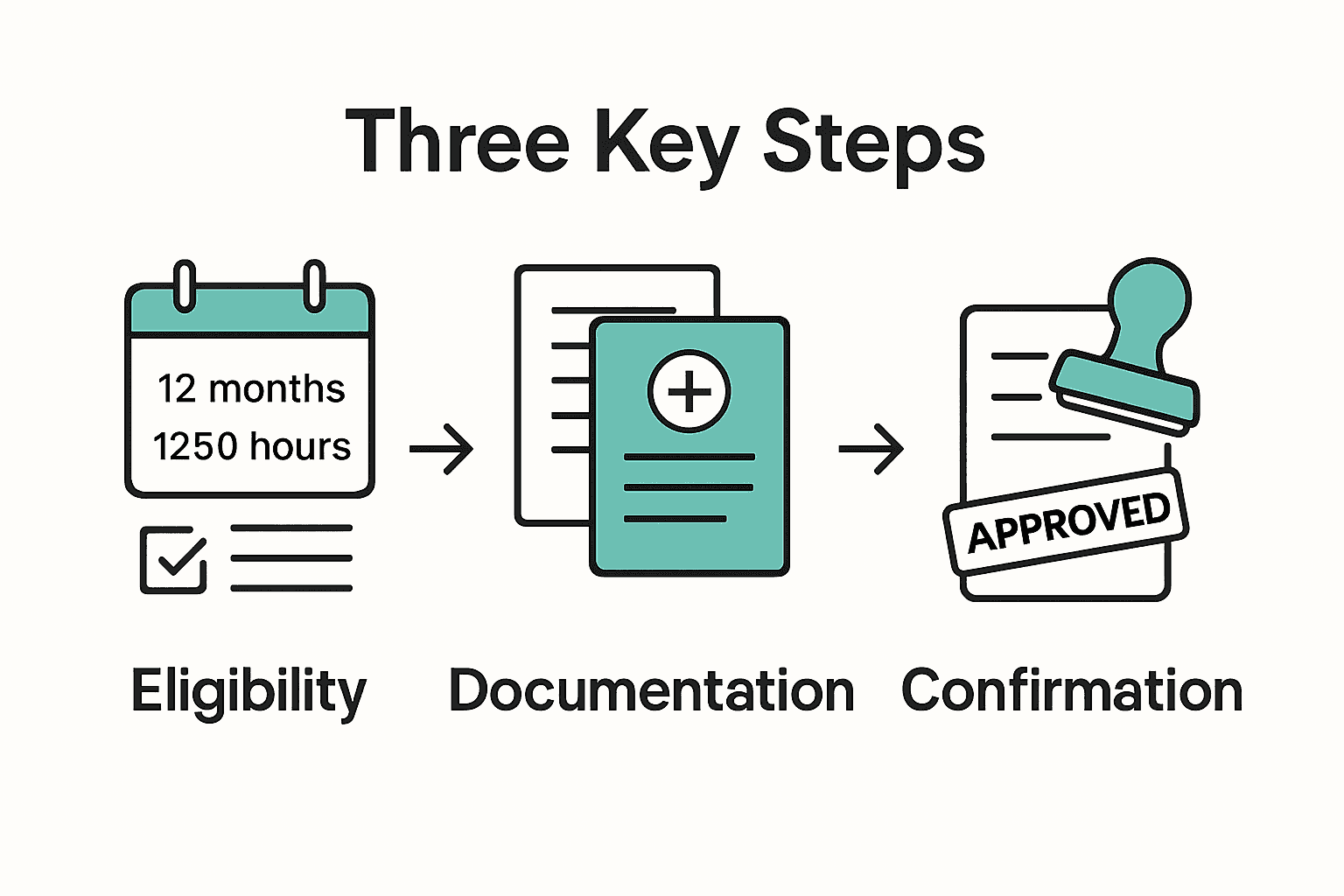
    Infographic visualizing California employee leave request steps

    Secure Your Right to Leave with Confidence

    Navigating the legal steps for requesting leave as a California employee can feel overwhelming. You want to make sure your leave request is done correctly to protect your job and receive the benefits you deserve. Knowing your eligibility, preparing proper documentation, and communicating clearly are essential but complex tasks. That is why understanding your rights and having reliable guidance is so important.

    Empower yourself by visiting California Labor Law, a trusted resource dedicated to helping employees like you understand workplace rights and legal protections. Here you will find clear guides on leave laws, helpful tools for tracking your claims, and access to legal advocates ready to assist if you face obstacles with your leave.

    Don’t wait until it is too late, take action now by filling out our free leave request consultation form or calling 1-866-355-9991 to ensure your leave request is handled legally and professionally. Start with expert information and support at California Labor Law and get the peace of mind you deserve today.

    Frequently Asked Questions

    What types of leave am I eligible to request as a California employee?

    Understanding your eligibility is essential; you can request leaves such as medical leave, family care leave, or pregnancy disability leave under the California Family Rights Act (CFRA). Verify your employment status, ensuring you have worked for at least 12 months and completed 1,250 work hours within the past year before submitting a request.

    How do I gather the necessary documentation for my leave request?

    To support your leave request, collect relevant documentation such as the ‘Notice of Eligibility and Rights and Responsibilities’ form and any medical certifications if applicable. Assemble all required paperwork in one folder, and make copies for your records to streamline the submission process.

    What should I include in my written leave request to ensure approval?

    Your written leave request should clearly state your full name, job title, specific leave dates, reason for leave, and attach any supporting documents such as medical certifications. Make your request concise yet comprehensive to facilitate a quick response from your employer.

    How do I communicate with my employer after submitting my leave request?

    After submitting your request, schedule a follow-up meeting or phone call with your HR representative to discuss any questions or additional documentation needed. This proactive communication ensures that you remain engaged and aware of the approval timeline and expectations.

    What steps should I take to confirm the approval of my leave?

    Once you receive confirmation of your leave, review the details to ensure accuracy regarding dates and terms. Save all approval documents both digitally and physically to maintain a reliable record of your leave status and protect your rights.

    How can I prepare for my return to work after my leave?

    To prepare for your return, review your employer’s expectations outlined in the approval notice and confirm any necessary communication during your leave. Contact your HR department a few days before your return to clarify any uncertainties regarding your reintegration into the workplace.

  • Understanding Paid Time Off Laws: What Employees Need to Know

    Understanding Paid Time Off Laws: What Employees Need to Know

    California Paid Time Off Laws

    Paid time off sounds simple enough, and most people assume it works the same everywhere. That could not be further from the truth. The United States is the only major advanced economy without a national paid leave policy, and the rules can shift wildly between states, cities, and even companies. California takes things a step further with mandatory paid sick leave and some of the strongest employee protections in the country. Knowing where you stand can mean the difference between being stuck at your desk and finally getting the break you deserve.

    What are Paid Time Off Laws?

    Paid time off (PTO) laws represent a complex framework governing how employees can take compensated leave from work for various personal and professional reasons. While many workers assume they have automatic rights to paid time off, the reality is far more nuanced. Learn more about employee rights in understanding these critical workplace regulations.

    In the United States, paid time off laws are not uniformly mandated at the federal level. According to research from the Brookings Institution, the country remains unique among advanced economies in lacking a comprehensive national paid leave policy. This means PTO policies can vary dramatically between states, industries, and individual employers.

    Key aspects of paid time off laws typically cover several critical areas:

    • Vacation Time: Employer discretion on accrual and usage
    • Sick Leave: Provisions for personal or family health needs
    • Personal Days: Allowances for individual circumstances
    • Parental Leave: Protections for new parents

    Types of Paid Time Off Protections

    While federal laws do not universally mandate paid leave, some states and local jurisdictions have enacted their own protective regulations. These laws can require employers to provide minimum paid leave standards, especially for full-time employees. Workers should understand their specific local regulations, as entitlements can differ significantly across regions.

    For California employees, state-specific labor laws often provide more robust protections compared to federal standards. This means workers in California might have additional rights and compensation not available in other states. Employers must adhere to these state-level requirements, which can include mandatory sick leave, family care leave, and other worker-friendly provisions.

    Understanding paid time off laws empowers employees to recognize their rights, negotiate effectively with employers, and ensure they receive appropriate compensation and workplace flexibility. While the legal landscape remains complex, staying informed is the first step toward protecting your professional interests.

    The Importance of Paid Time Off in the Workplace

    Paid time off (PTO) serves as a critical component of employee well-being, workplace satisfaction, and overall organizational productivity. Understanding workplace compensation strategies can help employees and employers recognize the broader implications of comprehensive leave policies.

    Employee Mental Health and Productivity

    Contrary to traditional workplace beliefs that constant work drives performance, research demonstrates that strategic time away from work significantly enhances employee productivity and mental well-being. According to a comprehensive study from the American Psychological Association, regular breaks and planned time away from work can dramatically reduce workplace stress and prevent professional burnout.

    Key benefits of paid time off include:

    • Psychological Recovery: Allowing mental restoration and reducing chronic stress
    • Creative Renewal: Providing space for innovative thinking and personal reflection
    • Work-Life Balance: Supporting holistic personal and professional development
    • Reduced Workplace Turnover: Demonstrating organizational commitment to employee wellness

    Organizational Performance and Strategic Advantages

    Beyond individual benefits, paid time off represents a strategic investment for organizations. Companies that implement robust PTO policies often experience higher employee engagement, improved morale, and increased overall productivity. Comprehensive leave policies signal an organization’s commitment to employee well-being, creating a positive workplace culture that attracts and retains top talent.

    For California employees, state labor laws provide additional protections that support meaningful time away from work. These regulations ensure workers can take necessary personal and family-related leave without risking their professional standing or economic stability.

    Ultimately, paid time off is not a luxury but a fundamental component of a healthy, dynamic workplace ecosystem. By recognizing its multifaceted importance, both employees and employers can create more sustainable, supportive, and productive work environments.

    How Paid Time Off Laws Differ in California

    California stands out with some of the most comprehensive and employee-friendly paid time off regulations in the United States. Learn more about worker compensation rules, which play a crucial role in understanding these distinctive protections.

    Mandatory Sick Leave Provisions

    Unlike many states, California has established robust mandatory sick leave laws that provide significant protections for workers. According to research from the California Department of Industrial Relations, the Healthy Workplaces, Healthy Families Act requires employers to provide paid sick leave to employees who work in California for 30 or more days within a year.

    Key features of California’s sick leave regulations include:

    Graph comparing California and federal paid sick leave laws

    • Minimum Accrual: At least 24 hours or 3 days of paid sick leave per year
    • Immediate Eligibility: Sick leave begins accruing from the first day of employment
    • Carryover Rights: Employees can carry over unused sick leave to the next year
    • Broad Use Provisions: Leave can be used for personal or family member health needs

    Unique Leave Protections Beyond Federal Standards

    California goes significantly further than federal regulations in protecting workers’ rights to time off. State laws provide additional protections that cover a wide range of personal and family circumstances. This includes expanded family care leave, pregnancy-related accommodations, and provisions for domestic violence victims seeking time off for legal proceedings or medical treatment.

    Additionally, California mandates more generous provisions for various types of leave compared to federal standards. The state requires employers to provide job-protected leave for specific personal and family situations, ensuring workers do not face professional repercussions when addressing critical personal needs.

    These distinctive protections reflect California’s commitment to creating a supportive and flexible workplace environment that prioritizes employee well-being.

    Below is a comparison table outlining how federal paid time off (PTO) and California PTO laws differ, summarizing their key features and protections for employees.

    Feature/Protection Federal PTO Laws California PTO Laws
    Mandatory Paid Sick Leave Not universally required Required for employees working 30+ days
    Minimum Sick Leave Accrual Not specified At least 24 hours or 3 days per year
    Eligibility Start Depends on employer policy Accrues from first day of employment
    Carryover of Unused Leave Employer discretion Carryover required within limits
    Family Care Leave Limited (FMLA, unpaid) Expanded, with job protection
    Job Protection During Leave Limited for paid leave Stronger protections under state law
    Broader Use Provisions Employer discretion Broad reasons allowed (personal/family)
    By establishing comprehensive paid time off laws, the state demonstrates a progressive approach to worker rights that extends far beyond minimal federal requirements.

    Paid time off laws encompass a complex set of regulations that govern how employees can take compensated leave from work. Understand more about workplace compensation rules to navigate these intricate legal frameworks effectively.

    Types of Paid Leave

    According to research from the U.S. Department of Labor, paid time off encompasses several distinct categories that provide workers with different types of protected leave. Understanding these categories is crucial for employees seeking to maximize their workplace benefits and legal protections.

    Key types of paid leave include:

    • Vacation Time: Discretionary time off for personal rest and recreation
    • Sick Leave: Time allocated for personal or family health-related needs
    • Family and Medical Leave: Extended time for significant personal or family health circumstances
    • Personal Days: Flexible time off for individual needs or emergencies
    • Parental Leave: Time dedicated to childbirth, adoption, or initial child care

    Accrual and Usage Regulations

    Paid time off regulations are not uniform across all workplaces and jurisdictions. Employers have significant discretion in designing their leave policies, though state and federal laws establish minimum standards. Accrual rates can vary based on factors such as:

    • Length of employment
    • Full-time or part-time status
    • Industry-specific regulations
    • Company size and internal policies

    Some organizations implement “use it or lose it” policies, while others allow employees to carry over unused leave or receive monetary compensation for unused time. The specific rules depend on state laws and individual employer guidelines.

    Understanding these key concepts empowers employees to make informed decisions about their workplace leave, ensuring they can effectively manage their professional and personal responsibilities while protecting their legal rights.

    The following table provides definitions of the main types of paid leave discussed in the article, helping clarify their unique purposes and attributes.

    Type of Paid Leave Description
    Vacation Time Discretionary time off for rest, recreation, or personal interests
    Sick Leave Time off to address personal or family health conditions and medical appointments
    Family and Medical Extended leave for significant personal or family health circumstances
    Personal Days Flexible time off for individual emergencies or personal matters
    Parental Leave Leave related to childbirth, adoption, or bonding with a new child

    Real-World Implications of Paid Time Off Laws for Employees

    Paid time off laws extend far beyond simple paperwork, directly impacting employees’ professional and personal lives in profound ways. Explore workplace compensation strategies to understand the deeper implications of these critical regulations.

    Professional Stability and Job Security

    According to research published in the American Journal of Community Psychology, access to paid time off significantly reduces the probability of job separation. Employees with comprehensive leave policies experience greater workplace stability, which translates into tangible benefits for both workers and employers.

    Key professional implications include:

    • Reduced Turnover: Lower likelihood of unexpected job changes
    • Increased Job Satisfaction: Greater sense of workplace support
    • Enhanced Mental Health: Opportunities for necessary breaks and recovery
    • Improved Work Performance: Better work-life balance leading to higher productivity

    Personal and Family Well-being

    Paid time off laws play a crucial role in supporting employees’ personal lives and family responsibilities. These regulations provide critical protection for workers facing significant life events, from health challenges to family care needs. Legal provisions ensure that employees can address personal circumstances without risking their professional standing.

    The implications extend beyond individual workers, creating broader societal benefits such as:

    • Supporting parents in providing childcare
    • Allowing workers to manage their personal health needs
    • Reducing financial stress during challenging life moments
    • Promoting a more humane and flexible work environment

    Ultimately, paid time off laws represent more than just administrative rules. They are fundamental mechanisms that balance professional demands with human needs, recognizing that employees are whole individuals with complex lives beyond their workplace responsibilities.

    paid time off family

    Protect Your Paid Time Off Rights in California

    Are you worried about whether your employer is following the law when it comes to paid time off? The challenges you face—confusing regulations, inconsistent PTO policies, and unclear accrual rules—can leave you feeling uncertain or even powerless. These things can be complicated it can be to understand. Your rights under paid time off laws, especially with California’s strict and unique requirements, can be convoluted. Getting clear answers is the first step to securing what you are owed.

    You do not have to figure this out alone. Visit California Labor Law to access easy-to-use wage calculators, in-depth labor law guides, and the latest updates on paid leave protections. Learn your employee rights so you can confidently deal with issues like missing pay for time off, denied sick leave, or PTO confusion. If you suspect your employer is violating your PTO rights, reach out at 1-866-355-9991 to schedule a free PTO law consultation. Take action now to safeguard your time, your paycheck, and your peace of mind.

    Frequently Asked Questions

    What are Paid Time Off (PTO) laws?

    Paid Time Off (PTO) laws govern the conditions under which employees can take compensated leave from work for various reasons, including vacation, sick leave, personal days, and parental leave. These laws can vary by state and employer.

    How do PTO laws differ between states?

    PTO laws can vary significantly between states, with some states, like California, having more robust provisions than federal regulations. Employers may be required to provide specific types of paid leave, and the minimum standards can differ by location.

    What types of leave are typically included under PTO laws?

    PTO laws typically include various types of leave such as vacation time, sick leave, personal days, family and medical leave, and parental leave. Each category serves different personal and family needs.

    How can employees ensure they understand their PTO rights?

    Employees should familiarize themselves with local PTO laws and their employer’s specific leave policies. Consulting state labor resources or seeking legal advice can help clarify individual rights and entitlements regarding paid leave.