
Category: Toxic Workplace

  • Hostile Work Environment Signs: What California Workers Need to Know

    Hostile Work Environment Signs: What California Workers Need to Know

    Nearly 60 percent of workers say they have witnessed or experienced some form of workplace hostility during their careers. With the complex rules that govern California workplaces, understanding what truly defines a hostile work environment is critical.

    This guide breaks down the legal definitions, common warning signs, and the strong protections available to employees so you can recognize and respond to mistreatment before it escalates.

    Defining Hostile Work Environments in California

    In California, a hostile work environment represents more than just an unpleasant workplace – it’s a serious legal concept with specific legal standards that protect employees from persistent, severe, or pervasive harassment.

    When workplace interactions cross the line from normal workplace tension into systematic mistreatment, workers have legal recourse under state and federal employment laws.

    A hostile work environment occurs when unwelcome conduct based on protected characteristics like race, gender, age, disability, or sexual orientation becomes so severe or persistent that it creates an intimidating, offensive, or humiliating work atmosphere.

    These behaviors must be more than isolated incidents – they need to be consistent patterns that a reasonable person would find intolerable.

    Understanding workplace harassment laws provides critical insight into recognizing these complex workplace dynamics.

    Worker documenting harassment at office cubicle

    The key elements that transform workplace interactions into legally actionable harassment include frequency, severity, and whether the conduct unreasonably interferes with an employee’s work performance.

    Not every rude comment constitutes a hostile environment, but ongoing patterns of discriminatory behavior, offensive jokes, intimidation, or unwanted physical contact can create substantial legal grounds for a complaint.

    Verbal harassment, physical harassment, visual harassment (like offensive images), and digital communications all potentially contribute to creating a hostile workplace.

    Specifically in California, employees are protected under both federal laws like Title VII of the Civil Rights Act and robust state-level protections that often provide broader definitions and stronger worker safeguards.

    Employers have a legal obligation to prevent harassment, investigate complaints promptly, and take corrective action when inappropriate workplace behaviors are reported.

    Workers experiencing persistent harassment should document incidents carefully, report them through official workplace channels, and understand that retaliation for reporting such behaviors is itself illegal.

    Common Signs of Hostile or Abusive Conduct

    Hostile workplace conduct can manifest through multiple complex and often subtle behaviors that systematically undermine an employee’s professional dignity and psychological safety. Recognizing these signs is crucial for workers to protect themselves and understand their legal rights.

    Some behaviors might seem minor in isolation, but when patterns emerge, they can constitute serious workplace harassment that requires immediate intervention.

    Critical signs of a hostile work environment include persistent verbal abuse, discriminatory comments, unwelcome sexual advances, or repeated offensive jokes targeting protected characteristics like race, gender, age, or disability.

    Physical intimidation, excessive criticism, deliberate professional exclusion, and consistent undermining of an employee’s work performance are additional red flags.

    Understanding workplace discrimination types provides deeper insights into how these behaviors can create toxic workplace dynamics.

    Specific manifestations of hostile conduct often include deliberately creating difficult work conditions, withholding critical information needed to perform job duties, spreading malicious rumors, making threatening gestures, or consistently assigning impossible workloads designed to cause failure.

    Digital harassment through inappropriate emails, texts, or online communications can also constitute workplace abuse. Importantly, these behaviors become legally actionable when they are severe, persistent, and create an environment that a reasonable person would find intimidating, humiliating, or offensive.

    Employees experiencing these signs should meticulously document incidents, including dates, times, witnesses, and specific details.

    Reporting through official workplace channels, maintaining a contemporaneous written record, and understanding that retaliation for reporting harassment is itself illegal are critical steps in addressing workplace abuse.

    California law provides robust protections, and workers have multiple avenues for seeking resolution, including internal complaint procedures, state labor board complaints, and potential legal action against employers who fail to address systemic workplace harassment.
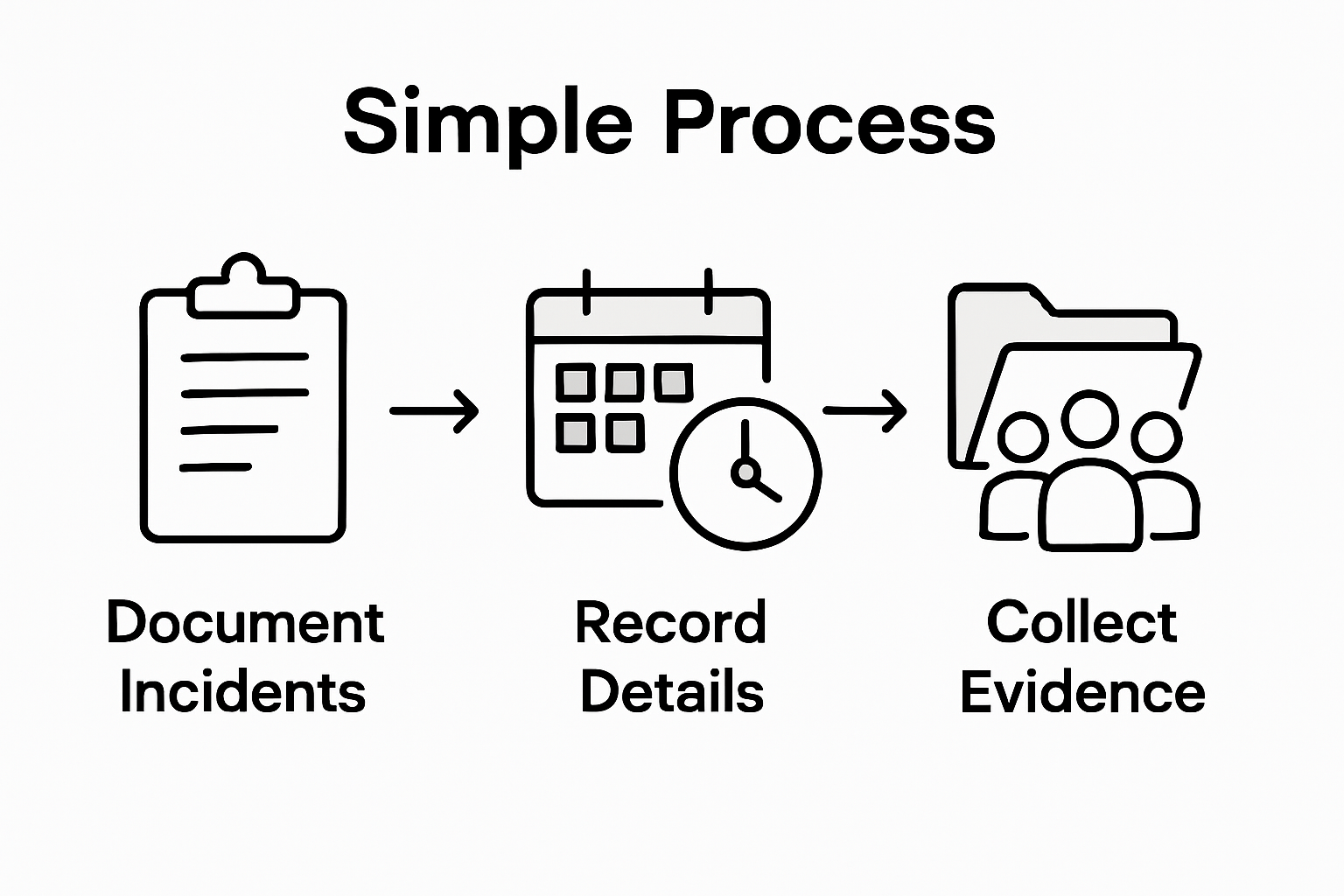
    Three steps to document hostile workplace

    California employment law provides robust legal protections that shield workers from hostile and discriminatory workplace environments. These comprehensive legal standards establish clear guidelines for acceptable workplace conduct and provide multiple avenues for employees to seek recourse when their professional rights are violated. The state’s legal framework goes beyond federal regulations, offering more expansive protections that prioritize employee dignity and workplace respect.

    The primary legal mechanisms protecting California workers include Title VII of the Civil Rights Act, the California Fair Employment and Housing Act (FEHA), and several state-specific statutes.

    These laws prohibit harassment, discrimination, and retaliation based on protected characteristics such as race, gender, age, disability, sexual orientation, and national origin.

    How to document workplace harassment becomes critical in establishing a legal record that can support potential claims of workplace misconduct.

    Employees have several legal recourse options when confronting hostile work environments. These include filing internal complaints with human resources, submitting claims to the California Department of Fair Employment and Housing (DFEH), pursuing federal complaints with the Equal Employment Opportunity Commission (EEOC), or initiating civil lawsuits against employers.

    The legal standards require employers to take prompt, appropriate action when harassment is reported, with potential consequences including monetary damages, mandatory workplace training, and significant financial penalties for systematic workplace violations.

    Importantly, California law provides strong anti-retaliation protections, ensuring that workers who report harassment or participate in investigations cannot face professional punishment or adverse employment actions.

    This means employees can come forward without fear of losing their jobs, being demoted, or experiencing professional marginalization.

    The legal framework is designed to create a transparent, accountable workplace environment where employees can work without experiencing systematic discrimination or harassment.

    Employee Rights and Employer Responsibilities

    In California, employee rights and employer responsibilities form a critical legal framework designed to protect workers and maintain professional workplace standards.

    Employees possess fundamental rights that employers must respect, including protection from:

    • discrimination,
    • harassment,
    • retaliation,
    • and unfair treatment based on protected characteristics.

    These rights extend beyond basic wage and hour regulations, encompassing comprehensive protections that safeguard personal dignity and professional opportunities.

    Employers have explicit legal obligations to create and maintain a safe, respectful work environment. This includes implementing clear anti-harassment policies, conducting regular training, investigating complaints promptly, and taking corrective action when misconduct is identified.

    Wrongful termination protections play a crucial role in ensuring that employees cannot be punished for asserting their legal rights or reporting workplace violations.

    Key employer responsibilities include preventing discriminatory practices, maintaining transparent communication, and establishing formal mechanisms for addressing workplace grievances.

    Specifically, California law requires employers to take proactive steps in preventing hostile work environments. This includes developing comprehensive written policies that clearly outline prohibited behaviors, establishing confidential reporting processes, and providing multiple channels for employees to raise concerns without fear of retaliation.

    Employers must also maintain documentation of complaints, investigations, and corrective actions, demonstrating their commitment to maintaining a professional and respectful workplace.

    The legal consequences for employers who fail to meet these responsibilities can be substantial. Potential penalties include monetary damages, mandatory workplace training, legal fees, and potential civil lawsuits.

    Employees who experience violations of their rights can file complaints with state agencies like the California Department of Fair Employment and Housing (DFEH) or pursue legal action to seek remedies.

    This robust legal framework ensures that workers have meaningful protections and employers have clear guidelines for maintaining professional, inclusive workplace environments.

    Navigating workplace hostility requires a strategic and documented approach that protects both an employee’s professional standing and legal rights. Reporting procedures are complex, involving multiple potential channels and requiring careful, methodical documentation of inappropriate workplace behaviors.

    Employees must understand that their initial response to harassment can significantly impact potential future legal proceedings and workplace resolution efforts.

    The first critical step in addressing workplace hostility involves internal reporting mechanisms. This typically means filing a formal written complaint with human resources or a designated supervisor, creating an official record of the harassment.

    Detailed documentation is paramount – employees should meticulously record dates, specific incidents, potential witnesses, and any physical or digital evidence of misconduct.

    Understanding workplace rights posters can provide additional guidance about employee protections and reporting procedures that are legally mandated in California workplaces.

    When internal reporting fails to resolve the situation, employees have several external legal recourse options. These include:

    • filing complaints with the California Department of Fair Employment and Housing (DFEH),
    • submitting claims to the Equal Employment Opportunity Commission (EEOC),
    • or initiating civil lawsuits against employers.

    Each avenue has specific filing deadlines and procedural requirements, making it crucial for workers to act promptly and preserve all relevant documentation. The statute of limitations for filing workplace harassment claims in California is typically three years from the last incident of harassment, though this can vary depending on specific circumstances.

    Professional legal consultation becomes essential when navigating complex harassment claims. Experienced employment attorneys can help evaluate the strength of a case, advise on the most appropriate reporting channels, and potentially negotiate settlements or represent employees in administrative hearings or court proceedings.

    Workers should be prepared for potential challenges, including potential employer retaliation, which is itself illegal under California law.

    The goal of the reporting process is not just individual resolution but also preventing future workplace misconduct and maintaining professional dignity.

    Protect Yourself From Hostile Work Environments Today

    If you are facing signs of a hostile work environment like persistent harassment or discrimination based on protected characteristics, you do not have to navigate this challenge alone.

    Understanding your rights under California law is essential when confronting workplace hostility, retaliation, or abuse.

    Take action now by exploring our comprehensive resources on how to document workplace harassment and understanding workplace harassment laws. These tools empower you to recognize illegal conduct and protect your career and well-being.

    Visit California Labor Law today and take a look at our legal guides and connect with experienced legal advocates by calling 1-866-355-9991. We’re ready to support you every step of the way.

    Frequently Asked Questions

    What constitutes a hostile work environment?

    A hostile work environment exists when unwelcome conduct based on protected characteristics, such as race or gender, becomes severe or persistent, creating an intimidating or offensive workplace atmosphere.

    What are some common signs of a hostile work environment?

    Common signs include:

    • persistent verbal abuse,
    • discriminatory remarks,
    • unwelcome sexual advances,
    • excessive criticism,
    • physical intimidation,
    • and consistent undermining of an employee’s work performance.

    How should I report a hostile work environment?

    Start by documenting incidents thoroughly, including dates, times, and any witnesses. Then, file a formal complaint with human resources or a designated supervisor to create an official record.

    What legal protections do employees have against workplace hostility?

    Employees are protected under both federal laws like Title VII and California’s Fair Employment and Housing Act, which prohibit harassment and retaliation, ensuring employees can report issues without fear of professional punishment.

  • Understanding Workplace Microaggressions and Their Impact

    Understanding Workplace Microaggressions and Their Impact

    Microaggressions at Work and Their Impact

    Everyday conversations at work can carry invisible weight. Studies show that over 60% of marginalized employees report experiencing microaggressions in their careers, often hidden under casual remarks or subtle actions. Most people assume workplace discrimination is always obvious, but some of the most harmful interactions are hard to spot and can slip by unnoticed for years.

    Defining Workplace Microaggressions: Key Concepts

    Workplace microaggressions represent subtle, often unintentional forms of discrimination that create complex psychological and professional challenges for marginalized employees. Unlike overt discriminatory behaviors, these interactions are nuanced, frequently masked as casual comments or seemingly innocuous interactions that carry significant emotional and professional impact.

    Understanding the Core Definition

    Microaggressions are brief, commonplace communications that unconsciously express prejudiced attitudes toward historically marginalized groups. According to research from the National Institutes of Health, these interactions communicate hostile, derogatory, or negative messages based on an individual’s identity, including race, gender, sexual orientation, disability status, or age.

    Key characteristics of workplace microaggressions include:

    Below is a comparative table summarizing the core types of workplace microaggressions described in this section, highlighting their definitions and typical manifestations.

    Type of Microaggression Definition Typical Manifestations
    Microassault Direct and intentional discriminatory actions or verbal attacks Use of derogatory language, exclusionary practices
    Microinsult Indirect, often unintentional comments that communicate rudeness or insensitivity Backhanded compliments, undermining competence based on identity
    Microinvalidation Dismissive interactions negating lived experiences of marginalized employees Making individuals feel unseen, unheard, or invalidated
    • Subtle and often unintentional communication
    • Rooted in systemic biases and unconscious stereotypes
    • Potentially experienced as invalidating or diminishing
    • Cumulative impact on professional well-being

    Types of Workplace Microaggressions

    Professional environments typically experience three primary manifestations of microaggressions:

    Microassaults: Direct and intentional discriminatory actions or verbal attacks that are explicitly harmful. These represent the most overt form of microaggression, often involving deliberate use of derogatory language or exclusionary practices.

    Microinsults: Indirect, often unintentional comments that communicate rudeness, insensitivity, or demean an individual’s identity. These might involve backhanded compliments or statements that undermine professional competence based on demographic characteristics.

    Microinvalidations: Interactions that dismiss, exclude, or negate the lived experiences and perspectives of marginalized employees. These subtle communications can make individuals feel unseen, unheard, or professionally invalidated.

    Infographic showing three types of workplace microaggressions: microassaults, microinsults, microinvalidations

    Workplace microaggressions are not simply isolated incidents but represent a systemic pattern of interactions that can significantly erode professional confidence, create hostile work environments, and impede career advancement for marginalized employees.

    The Importance of Recognizing Microaggressions

    Recognizing workplace microaggressions is a critical step toward creating inclusive, respectful professional environments that support the psychological and professional well-being of all employees. These subtle interactions have profound implications for organizational culture, individual performance, and systemic equity.

    Psychological and Professional Impact

    Microaggressions are not merely isolated incidents but represent cumulative experiences that significantly affect employee mental health, job satisfaction, and career trajectory. According to research from MIT Sloan School of Management, understanding and addressing these interactions can lead to stronger workplace relationships and improved organizational productivity.

    The psychological consequences of persistent microaggressions include:

    This table provides an overview of the psychological and professional impacts resulting from persistent workplace microaggressions, facilitating quick reference and comparison for readers.

    Impact Category Description
    Increased Stress & Anxiety Elevated psychological stress leading to tension and worry
    Diminished Belonging Reduced sense of professional inclusion and acceptance
    Lowered Self-Confidence Erosion of confidence in abilities and decreased motivation
    Mental Health Challenges Heightened risk of depression, burnout, or other mental health difficulties
    Impeded Career Trajectory Barriers to advancement, engagement, and participation in workplace opportunities
    • Increased stress and anxiety
    • Diminished sense of professional belonging
    • Reduced self-confidence and motivation
    • Potential long-term mental health challenges

    Organizational Implications

    Workplace Culture Transformation: Recognizing microaggressions is more than a compliance requirement. It represents a fundamental shift toward creating environments where diversity is genuinely valued and respected. By acknowledging these subtle forms of discrimination, organizations signal their commitment to inclusive practices.

    Performance and Retention: Employees experiencing frequent microaggressions are more likely to feel disengaged, which directly impacts productivity and increases turnover rates. Proactive recognition and intervention can help retain talented professionals from diverse backgrounds and create a more dynamic, innovative workplace.

    Building Awareness and Accountability

    Effective recognition of microaggressions requires a multifaceted approach that involves education, empathy, and systemic change. This means developing organizational mechanisms that:

    • Provide comprehensive training on unconscious bias
    • Establish clear reporting and resolution protocols
    • Create safe spaces for dialogue and understanding
    • Implement accountability measures for inappropriate behaviors

    Ultimately, recognizing microaggressions is about fostering a workplace culture that values human dignity, respects individual experiences, and creates opportunities for genuine connection and professional growth across all demographic groups.

    How Microaggressions Manifest in the Workplace

    Workplace microaggressions emerge through complex, multifaceted interactions that systematically undermine and marginalize employees based on their identity, creating subtle yet profound barriers to professional advancement and psychological safety.

    Communication and Interaction Patterns

    Microaggressions frequently manifest through seemingly innocuous communication strategies that communicate unconscious biases and systemic prejudices. According to research from the American Psychological Association, these interactions often occur through verbal, nonverbal, and environmental communication channels.

    Common communication patterns include:

    • Unexpected tone shifts when addressing certain employees
    • Questioning professional credentials or competence
    • Making assumptions about cultural backgrounds
    • Demonstrating differential treatment across demographic groups

    Contextual Manifestations

    Professional Interactions: Microaggressions frequently emerge during performance evaluations, team meetings, and collaborative projects. These might involve:

    • Tone Policing: Criticizing communication styles of marginalized employees
    • Credential Questioning: Repeatedly requesting additional verification of qualifications
    • Invisible Labor: Systematically overlooking contributions from certain employees

    Social Dynamics: Workplace microaggressions extend beyond direct professional interactions, permeating informal social environments like:

    • Office social events
    • Informal networking opportunities
    • Team-building activities

    Structural and Systemic Expressions

    Microaggressions are not merely individual interactions but reflect broader systemic inequities. They can be embedded in organizational structures through:

    • Hiring and promotion practices
    • Performance evaluation frameworks
    • Leadership representation
    • Mentorship and professional development opportunities

    Understanding these manifestations requires recognizing microaggressions as complex, interconnected phenomena that perpetuate systemic inequities through seemingly neutral professional interactions. By identifying these patterns, organizations can develop more inclusive, equitable workplace environments that genuinely support all employees.

    The Impact of Microaggressions on Employee Well-Being

    Microaggressions represent a significant psychological burden that erodes professional confidence, personal resilience, and overall mental health for marginalized employees. These subtle yet persistent interactions create complex emotional landscapes that extend far beyond momentary discomfort.

    Psychological Stress Mechanisms

    The cumulative effect of workplace microaggressions triggers profound psychological stress responses. According to research from the American Psychological Association, repeated exposure generates complex neurobiological and emotional reactions that fundamentally alter an employee’s workplace experience.

    Primary psychological stress manifestations include:

    • Chronic anxiety and heightened vigilance
    • Reduced self-confidence and professional identity
    • Emotional exhaustion and burnout
    • Increased vulnerability to imposter syndrome

    Mental Health Implications

    Emotional Resilience Erosion: Persistent microaggressions systematically undermine an individual’s emotional defenses. Employees experiencing frequent discriminatory interactions often develop:

    • Hypervigilance: Constant psychological preparation for potential negative interactions
    • Identity Threat: Persistent questioning of professional legitimacy
    • Emotional Taxation: Continuous emotional energy spent managing workplace dynamics

    Long-Term Professional Consequences

    Beyond immediate psychological impacts, microaggressions generate significant long-term professional consequences. These interactions can:

    • Limit career advancement opportunities
    • Reduce workplace engagement and productivity
    • Increase likelihood of job turnover
    • Create barriers to professional networking

    Ultimately, workplace microaggressions function as sophisticated psychological stressors that gradually diminish employee well-being, transforming professional environments from spaces of potential growth into landscapes of persistent psychological challenge.workplace microaggressions empathy

    Addressing Workplace Microaggressions Effectively

    Addressing workplace microaggressions requires a comprehensive, multifaceted approach that involves individual awareness, organizational commitment, and systematic cultural transformation. Effective strategies demand proactive engagement, empathy, and a genuine commitment to creating inclusive professional environments.

    Individual Response Strategies

    Individuals experiencing or witnessing microaggressions can employ targeted strategies to address these interactions constructively. According to research from academic health professionals, effective individual responses involve thoughtful communication and strategic intervention.

    Key individual response techniques include:

    • Naming the microaggression directly and specifically
    • Requesting clarification about problematic statements
    • Documenting instances of discriminatory interactions
    • Seeking support from trusted colleagues or HR representatives

    Organizational Intervention Approaches

    Systemic Training and Education: Organizations must develop comprehensive programs that:

    • Provide unconscious bias training
    • Create clear reporting mechanisms
    • Establish accountability protocols
    • Foster cultural competence across leadership

    Leadership Accountability: Effective microaggression management requires active leadership engagement through:

    • Transparent Policy Development: Creating clear guidelines about acceptable workplace behavior
    • Consistent Consequence Implementation: Ensuring meaningful repercussions for discriminatory actions
    • Proactive Diversity Initiatives: Developing programs that genuinely promote inclusion

    Cultivating Institutional Transformation

    Addressing microaggressions extends beyond isolated interventions. Successful approaches require:

    • Continuous organizational learning
    • Embedding equity principles into core institutional practices
    • Creating safe feedback mechanisms
    • Developing metrics to track progress and cultural change

    Ultimately, addressing workplace microaggressions demands a holistic approach that recognizes these interactions as complex systemic challenges requiring sustained, genuine commitment to cultural transformation.

    Turn Awareness Into Action: Protect Your Rights in the Workplace

    Understanding workplace microaggressions is the first step, but knowing what to do when you face discrimination or invalidation is essential for your well-being and career. The stress, lack of belonging, and professional setbacks caused by repeated microaggressions can leave you feeling powerless or unsure where to turn. But you do have rights under California law, including protections against both subtle and overt workplace discrimination.

    If you are dealing with microaggressions, wage theft, or any unfair treatment, now is the time to take control. Visit California Labor Law for practical guides on your employment rights, up-to-date legal resources, and simple tools to help you evaluate if your rights have been violated. Empower yourself with legal support today, call 1-866-355-9991 for a free workplace microaggression consultation.

    Frequently Asked Questions

    What are workplace microaggressions?

    Workplace microaggressions are subtle, often unintentional forms of discrimination that convey negative messages toward marginalized groups, impacting their psychological well-being and professional experiences.

    What types of microaggressions are commonly found in professional environments?

    There are three primary types of microaggressions: micro-assaults (direct and intentional acts), microinsults (indirect, often unintentional insensitive comments), and microinvalidations (dismissive interactions that negate someone’s experiences or identity).

    How do microaggressions affect employee well-being?

    Microaggressions can lead to increased stress, anxiety, diminished self-confidence, and emotional exhaustion. Over time, these interactions can create a hostile work environment and impede career advancements.

    What strategies can individuals and organizations use to address microaggressions?

    Individuals can directly name the microaggression or seek support from HR. Organizations should implement training on unconscious bias, set up clear reporting mechanisms, and hold leadership accountable to foster an inclusive culture.